3D Nosecracker: A Festive Print Guide
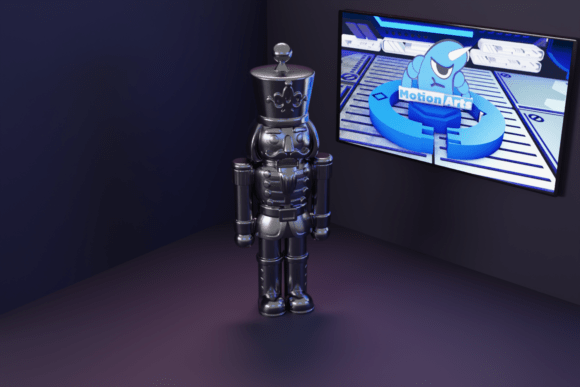
The holiday season often brings a rush of commercial decorations that lack personal touch or artistic merit. For makers, designers, and hobbyists, the opportunity to create something unique is not just a pastime but a way to reclaim the spirit of the season. The 3D Nosecracker model offers a refreshing alternative to mass-produced ornaments. Inspired by the legendary soldier who protects dreams, this design reimagines a classic figure through soft lines and an enchanting cartoon aesthetic. It is not merely a file to download; it is a project that bridges traditional nostalgia with modern fabrication techniques.
Whether you are a seasoned 3D printing enthusiast or a beginner looking for a meaningful first major project, understanding the nuances of this specific model can significantly enhance your results. The value lies in its versatility. It serves as a centerpiece for themed decor, a challenging yet rewarding practice piece for painting techniques, and a thoughtful, handmade gift that carries genuine emotional weight. By focusing on the practical aspects of printing and finishing this model, you can achieve professional-quality results that stand out in any collection.
Optimizing Print Settings for Cartoon Aesthetics
The 3D Nosecracker is designed with specific geometric considerations that favor both FDM (Fused Deposition Modeling) and resin printers. However, achieving the intended "soft line" look requires careful attention to slicer settings. Unlike rigid, mechanical models where sharp edges are paramount, this cartoon-style figure relies on smooth curves to convey charm and elegance.
For FDM users, layer height plays a critical role. A standard 0.2mm layer height may leave visible stepping on the rounded surfaces of the hat and uniform. Reducing this to 0.12mm or 0.16mm can dramatically improve surface quality without excessively increasing print time. Additionally, enabling adaptive layer heights can help maintain detail in complex areas like the facial features while speeding up the printing of broader, flat sections. Support structures should be placed strategically to avoid marring the visible front of the model, particularly around the arms and the base of the hat.
Resin printer users will find that this model shines due to the technology’s inherent ability to capture fine details. The optimized design ensures that thin features, such as the decorative elements on the uniform, are robust enough to survive cleaning and curing. It is advisable to use a high-resolution resin and to ensure proper exposure times to prevent over-curing, which can blur the delicate cartoon features. The goal is to preserve the gentle contours that define the character’s friendly demeanor.
Creative Customization and Painting Techniques
One of the most compelling aspects of the 3D Nosecracker is its potential for customization. The model acts as a blank canvas, inviting creators to inject their own artistic vision. While the default design includes distinct areas for the uniform, hat, and gold details, the choice of color palette is entirely up to the artist. This flexibility makes it an excellent tool for educators teaching color theory or for artists experimenting with new painting styles.
To highlight the gold details effectively, consider using metallic acrylics or wax-based rub-and-buff products. These materials adhere well to PLA and resin surfaces and provide a lustrous finish that mimics real metal. For the uniform, matte finishes often work best to contrast with the shiny gold accents, creating visual depth. Beginners might start with a simple two-tone scheme, while advanced painters can explore weathering techniques to give the soldier a battle-worn, story-rich appearance.
Beyond paint, physical modifications are possible. The model’s sturdy base allows for integration into larger dioramas. You might add textured snow using baking soda and glue, or incorporate LED lights to illuminate the figure from within. These enhancements transform a static object into an interactive display piece, increasing its impact as a room decoration or a conversation starter during holiday gatherings.
Practical Applications for Makers and Businesses
For small business owners and entrepreneurs, the 3D Nosecracker represents a viable product opportunity. Handmade, personalized items are increasingly valued by consumers seeking authenticity. Offering this model as part of a limited-edition holiday collection can differentiate your brand from competitors selling generic imports. Because the STL file is optimized for efficient printing, you can produce multiple units with consistent quality, managing inventory costs effectively.
Educators and community workshop leaders can also leverage this model for instructional purposes. It provides a comprehensive case study in the entire 3D printing workflow, from file preparation to post-processing. Students learn about support removal, sanding, priming, and painting in a single, engaging project. The festive theme increases student engagement, making technical lessons more enjoyable and memorable.
Furthermore, this model serves as an excellent corporate gift option. Companies looking for unique end-of-year presents for clients or employees can customize the Nosecracker with branded colors or subtle logos on the base. It conveys thoughtfulness and creativity, reinforcing positive brand associations without being overtly promotional.
Considerations for Successful Implementation
While the 3D Nosecracker is user-friendly, it is important to recognize certain limitations. The cartoon style, while charming, may not appeal to those seeking hyper-realistic military figurines. It is essential to align expectations with the intended aesthetic. Additionally, the size of the printed model will dictate its best use case. Smaller prints are ideal for tree ornaments, while larger scales are better suited for shelf displays or diorama centers.
Material selection also impacts durability. If the figure is intended for handling by children or for outdoor display, consider using tougher filaments like PETG or ASA instead of standard PLA. These materials offer greater resistance to heat and impact, ensuring the model remains intact through repeated use. Always test print a small section if you are experimenting with new materials to verify adhesion and detail retention.
Finally, respect the intellectual property associated with the design. When using this model for commercial purposes, ensure you have the appropriate license from the creator. Supporting designers encourages the continued development of high-quality, innovative models like the Nosecracker, fostering a healthy ecosystem for 3D printing enthusiasts worldwide.
Bringing Tradition into the Digital Age
The fusion of traditional holiday symbolism with modern manufacturing capabilities offers a unique creative outlet. The 3D Nosecracker is more than a digital file; it is a bridge between generations. It allows grandparents to share stories of classic tales while grandchildren engage with the technology that brings those stories to life. This intergenerational connection adds layers of meaning to the physical object.
By investing time in printing and finishing this model, you contribute to a culture of mindful consumption. Instead of discarding cheap decorations after the season ends, you create a durable, cherished item that can be displayed year after year. Each scratch or paint imperfection becomes part of its history, telling the story of the maker and the moment it was created. In a world of disposable goods, this permanence is a significant benefit.
Ultimately, the decision to print the 3D Nosecracker is a choice to prioritize creativity and personal expression. It challenges you to refine your technical skills while offering the satisfaction of producing something beautiful and meaningful. Whether for personal enjoyment, educational purposes, or commercial venture, this model provides a solid foundation for exploring the possibilities of 3D printing in a festive context.