The 3D RPG Wizard: Bridging Digital Fantasy and Tangible Craftsmanship in the Modern Maker Economy
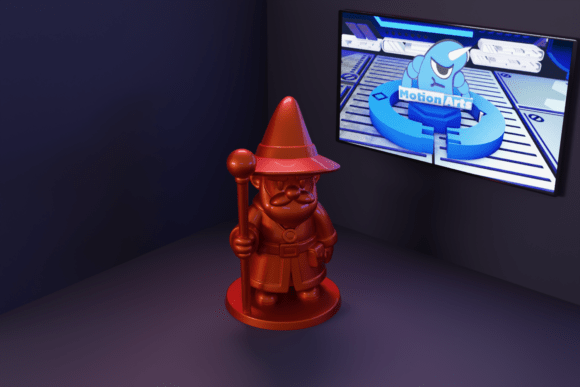
In the rapidly evolving landscape of digital fabrication, the intersection of tabletop gaming, collectible art, and additive manufacturing has created a unique niche for high-quality character models. Among these, the 3D RPG Wizard stands out not merely as a game piece, but as a symbol of the shifting dynamics in how creators, entrepreneurs, and hobbyists engage with fantasy IP. This model, characterized by its cartoon-style aesthetics and intricate detailing, represents more than just a printable file; it embodies the convergence of artistic expression, technical precision, and community-driven content creation.
For professionals in the creative industries, understanding the appeal of such models is crucial. It is no longer enough to simply produce a digital asset; one must consider its physical manifestation, its ease of production, and its emotional resonance with the end-user. The 3D RPG Wizard, often depicted with a pointed hat, flowing robe, and magic staff, serves as a perfect case study for this modern approach to digital product design.
The Evolution of Tabletop Aesthetics and Consumer Expectations
The tabletop role-playing game (TTRPG) industry has experienced a renaissance over the last decade. However, the expectations of players have shifted dramatically. Gone are the days when generic, mass-produced plastic miniatures sufficed for immersive storytelling. Today’s gamers, collectors, and dungeon masters seek pieces that offer narrative depth and visual distinctiveness. This is where the charm of the cartoon-style wizard becomes pivotal.
Unlike hyper-realistic models that can sometimes feel sterile or intimidating to paint, the stylized approach of the 3D RPG Wizard invites interaction. Its exaggerated features and whimsical proportions align with broader trends in animation and character design, making it accessible to a wider audience, including younger players and casual enthusiasts. This accessibility is a key driver in its popularity. For marketers and creators, this signals a vital insight: approachability drives engagement.
Furthermore, the demand for such models reflects a growing desire for personalization. Players do not just want to buy a product; they want to co-create it. The 3D RPG Wizard is designed with this workflow in mind. By providing a base model that is "ideal for painting and customization," designers empower users to add magical sparkles, runes, and light effects. This transforms the object from a static commodity into a dynamic canvas for individual creativity, fostering a deeper emotional connection between the creator and the consumer.
Technical Precision Meets Creative Freedom
From a technological standpoint, the success of any 3D printable model hinges on its optimization. The 3D RPG Wizard is engineered to meet the rigorous demands of both FDM (Fused Deposition Modeling) and resin printing technologies. This dual compatibility is essential in today’s fragmented hardware market, where users may own anything from entry-level filament printers to high-resolution SLA machines.
An optimized STL file ensures that the intricate details—such as the folds in the flowing robe or the textures on the magic staff—are preserved without requiring excessive support structures that can mar the final surface. For entrepreneurs selling digital files, this technical reliability reduces customer support queries and increases satisfaction. It demonstrates a professional understanding of the entire production pipeline, from digital sculpting to post-processing.
The emphasis on "easy and precise printing" addresses a significant pain point in the 3D printing community: failed prints. By prioritizing printability, the designer respects the user’s time and resources. This reliability builds trust, a currency that is increasingly valuable in the digital marketplace. When a user downloads a file labeled as optimized for both FDM and resin, they are purchasing confidence as much as they are purchasing geometry.
The Role of Digital Assets in the Creator Economy
The rise of platforms like Patreon, Kickstarter, and specialized STL marketplaces has democratized the distribution of 3D assets. Creators are no longer bound by traditional publishing gatekeepers. Instead, they build direct relationships with their audiences. The 3D RPG Wizard fits seamlessly into this ecosystem, serving as a flagship product that can attract subscribers or drive single sales.
For freelancers and independent artists, offering such models allows them to diversify their income streams. A single well-designed character can be sold repeatedly with minimal marginal cost, creating a scalable business model. Moreover, these models often serve as entry points into larger collections. A user who purchases the wizard may return for the accompanying diorama elements, enemies, or terrain pieces, creating a lifetime value that extends far beyond the initial transaction.
This model also supports the broader trend of "phygital" experiences—where physical and digital worlds merge. The wizard exists as a digital file, yet its ultimate purpose is physical existence. This duality appeals to a tech-savvy demographic that values both digital convenience and tactile satisfaction. It bridges the gap between the virtual realms of video games and the tangible social experience of tabletop gaming.
Practical Applications Beyond Gaming
While the primary market for the 3D RPG Wizard is tabletop gaming, its applications extend into other sectors, illustrating the versatility of modern 3D printing. Interior designers and prop makers utilize such models for thematic decor, leveraging the "mystical presence" of the wizard to create immersive environments in escape rooms, themed cafes, or educational settings.
Educators teaching digital literacy or art history may use these models to demonstrate concepts of character design, topology, and color theory. The process of painting the wizard, adding runes, and applying light effects provides a hands-on learning experience that combines traditional artistic skills with modern technology. This interdisciplinary relevance expands the potential audience beyond hardcore gamers to include educators, parents, and art students.
Additionally, the model serves as an excellent benchmark for testing new materials and printing techniques. Hobbyists often use detailed characters like the wizard to calibrate their printers, test layer adhesion, or experiment with multi-color printing. In this context, the 3D RPG Wizard becomes a tool for technical mastery, helping users refine their craft while producing a visually rewarding result.
Symbolism and Cultural Resonance
At a deeper level, the wizard archetype resonates with universal themes of wisdom, power, and the unknown. As a "guardian of knowledge," the 3D RPG Wizard symbolizes the pursuit of understanding in a complex world. For many enthusiasts, collecting and crafting these figures is a form of mindfulness, a way to disconnect from the digital noise and engage in focused, creative work.
The act of painting the model, adding subtle highlights to the hat, or weathering the robe allows for a meditative state that many find therapeutic. This emotional benefit is a significant, albeit often overlooked, driver of consumption. In a high-stress professional environment, the hobbyist’s workshop becomes a sanctuary, and the 3D RPG Wizard is a companion in that space.
Moreover, the communal aspect of sharing painted models on social media fosters a sense of belonging. Users tag creators, share tips, and showcase their unique interpretations of the same base model. This user-generated content acts as organic marketing, amplifying the reach of the original design and reinforcing the community around the brand.
Conclusion: Embracing the Magic of Creation
The 3D RPG Wizard is more than a collection of polygons; it is a testament to the power of modern manufacturing and creative expression. It reflects a market that values quality, customization, and technical reliability. For professionals and enthusiasts alike, engaging with such models offers insights into the future of digital goods, where the line between creator and consumer blurs, and where every print is an opportunity for innovation.
As we look forward, the integration of such detailed, optimized models into our workflows will continue to grow. Whether you are a marketer analyzing consumer trends, a designer refining your craft, or a gamer seeking to enhance your narrative experience, the 3D RPG Wizard offers a compelling blend of artistry and utility. It invites us to bring magic and mystery into our worlds, one layer at a time.
To explore this fusion of fantasy and technology further, consider downloading the 3D RPG Wizard STL file today. Add this master of spells to your universe of fantastic adventures and discover how a single model can transform your creative practice.