Dreamy Pastel Background: Blending Watercolor Bleach Effects with Modern Digital Aesthetics
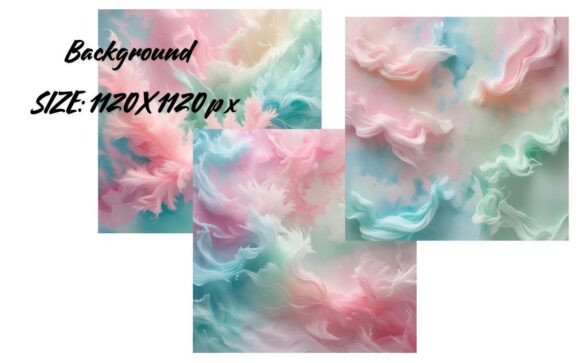
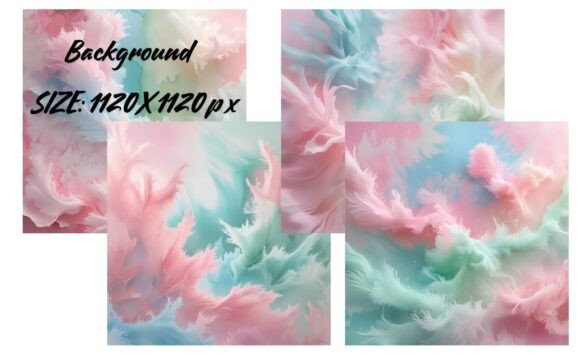
In an era where digital interfaces dominate our daily interactions, the visual language we consume has a profound impact on our mood, productivity, and creative output. Among the myriad of design trends emerging in recent years, the Dreamy Pastel Background has carved out a unique niche. This is not merely a collection of soft hues; it is a sophisticated fusion of traditional artistic techniques and modern digital rendering. Specifically, designs that combine bleach effects with pale pink, sky blue, and mint green are redefining how we perceive calmness in visual media. These wallpapers feature smooth gradients and soft edges that resemble watercolor patterns, creating stunning gradations that offer both visual depth and a dreamy atmosphere.
The appeal of this aesthetic lies in its ability to mimic the feeling of floating in a magical space full of artistic inspiration. For professionals, creators, and everyday users alike, the shift toward such abstract backgrounds represents a broader desire for harmony and mental clarity in an increasingly chaotic digital landscape. By integrating elements like bleaching effects, transparent colors, and flowing gradients, these designs offer more than just decoration—they provide a sensory retreat.
The Evolution of Soft Design in Digital Art
To understand the current popularity of pastel-centric visuals, one must look at the evolution of digital art. Early digital backgrounds were often rigid, characterized by sharp lines and high-contrast colors designed to stand out on low-resolution screens. As display technology advanced, so did the sophistication of user expectations. The modern viewer craves nuance. The transition from flat design to more textured, layered aesthetics has paved the way for styles that incorporate watercolor-inspired design and organic flow.
The specific combination of bleach effects with pastel colors is a testament to this evolution. Bleaching, traditionally a subtractive process in physical painting where color is removed to create highlights, is now simulated digitally to create a sense of lightness and airiness. When applied to cool colors like mint green and sky blue, the result is a soft visual effect that feels both modern and timeless. This technique allows for overlapping colors and fade effects that create a 3D background illusion without the heaviness of traditional three-dimensional modeling. It is a delicate balance of mystery and clarity, offering a visual experience that is engaging yet unobtrusive.
Psychological Impact and Workplace Wellness
The relevance of a Dreamy Pastel Background extends beyond aesthetics into the realm of psychological well-being. For entrepreneurs, freelancers, and corporate professionals who spend hours staring at screens, the choice of desktop wallpaper or presentation background can influence cognitive load. Harsh contrasts and vibrant, saturated colors can sometimes lead to visual fatigue. In contrast, designs featuring harmonic colors and light gradients promote a state of calm focus.
Consider the practical implications for remote workers and educators. A background that features scattered colors and soft lines can serve as a subtle reminder to breathe and reset. The enchanting atmosphere created by these fog effects and light gradients helps reduce stress, fostering a romantic atmosphere that encourages creative thinking. This is particularly valuable in industries that rely on innovation, such as marketing, design, and content creation. By surrounding themselves with inspirational design, professionals can cultivate a mindset that is open to new ideas and solutions.
- Enhanced Focus: Soft edges and blur effects minimize visual distractions, allowing the eye to rest while maintaining engagement.
- Mood Regulation: Cool colors like pale pink and sky blue are associated with tranquility and stability, helping to regulate emotional responses during high-pressure tasks.
- Creative Stimulation: The abstract nature of watercolor patterns invites interpretation, stimulating the brain’s associative networks and aiding in brainstorming sessions.
Integrating Dreamy Aesthetics into Brand Identity
For business owners and marketers, adopting a dreamy visual design strategy can differentiate a brand in a crowded marketplace. Consumers are increasingly drawn to brands that exhibit authenticity and empathy. A visual identity that utilizes pastel colors and flowing effects communicates approachability and sophistication. This is not about appearing weak or indecisive; rather, it is about projecting confidence through subtlety.
When designing marketing materials, websites, or social media content, incorporating elements of this style can enhance user experience. For instance, using a background with overlapping edges and transparent colors can make text overlays more readable while adding depth to the composition. The key is to maintain color harmony. A palette that blends mint green with pale pink creates a balanced visual effect that appeals to a broad demographic, including adults aged 20–50 who value both style and substance.
Moreover, the versatility of these designs allows them to adapt to various contexts. A pulsating background might be too distracting for a corporate report, but a static image with smooth gradients and bleaching effects can add a touch of elegance to a annual review or a client proposal. The goal is to create an enchanting design that supports the message rather than overpowering it.
Technical Considerations for Creators and Designers
Creating a high-quality Dreamy Pastel Background requires a nuanced understanding of digital tools and color theory. Designers must master the art of gradient effects to ensure seamless transitions between hues. The challenge lies in achieving the right level of transparency and overlap to create visual depth without muddying the colors.
- Layer Management: Use multiple layers to build up the watercolor effect. Start with base colors and gradually add bleaching effects to create highlights and dimension.
- Color Selection: Stick to a limited palette of harmonious colors. Pale pink, sky blue, and mint green work well together because they share similar tonal values and saturation levels.
- Texture Integration: Incorporate subtle noise or grain to mimic the texture of paper, enhancing the watercolor-inspired design and adding a tactile quality to the digital file.
- Light Effects: Utilize blending modes to simulate light passing through transparent colors. This creates the fog effects and mystery effect that characterize the dreamy atmosphere.
It is also important to consider the end-use of the design. A wallpaper intended for a mobile device needs to account for icon placement, ensuring that critical visual elements are not obscured. Similarly, a background for a video conference should have enough neutral space to keep the speaker as the focal point. Understanding these practical constraints ensures that the artistic vision translates effectively into functional design.
The Future of Abstract and Nature-Inspired Design
As technology continues to advance, the line between digital and natural aesthetics will likely blur further. The current trend toward nature-inspired design reflects a growing appreciation for the organic world. Designs that mimic the randomness of watercolor spills or the softness of clouds resonate with our innate connection to nature. This biophilic approach to digital design is expected to grow, with more emphasis on dynamic, living backgrounds that respond to user interaction or time of day.
However, the core principle remains constant: the need for visual harmony. Whether through static images or animated sequences, the goal is to create an environment that feels supportive and inspiring. The Dreamy Pastel Background is not just a fleeting trend; it is a response to the human need for beauty and calm in the digital age. By embracing soft lines, overlapping colors, and light gradients, we can transform our screens into spaces of reflection and creativity.
In conclusion, the integration of bleach effects with soft pastel colors offers a powerful tool for enhancing both personal and professional digital environments. From reducing visual fatigue to strengthening brand identity, the benefits of this aesthetic are multifaceted. As we move forward, the continued exploration of abstract art and digital painting techniques will undoubtedly yield even more innovative ways to bring dreamy atmospheres into our everyday lives. For those looking to refresh their visual landscape, exploring these enchanting designs is a step toward a more balanced and inspired digital existence.