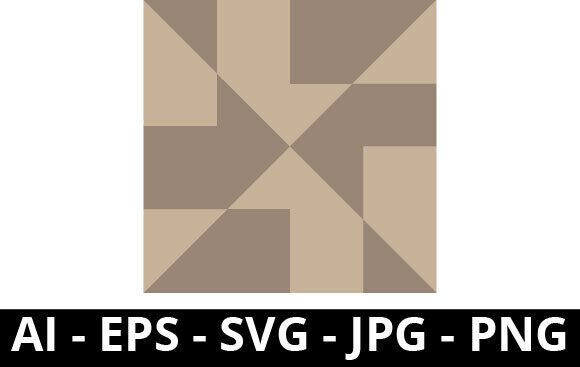
Geometric Brown Abstract Pattern Design: Elevating Modern Interiors with Neutral Sophistication
In the evolving landscape of interior design and digital aesthetics, there is a growing demand for visuals that balance structure with serenity. Geometric Brown Abstract Pattern Design has emerged as a powerful solution for designers, homeowners, and brands seeking to create spaces and graphics that feel both grounded and contemporary. By merging the precision of mathematical shapes with the warmth of earth tones, this design approach offers a versatile toolkit for achieving a minimalist yet impactful look.
Whether you are refreshing a living room, designing packaging, or creating digital backgrounds, understanding how to effectively utilize geometric pattern elements within a brown pattern or beige pattern palette can transform ordinary surfaces into compelling visual experiences. This article explores the practical applications, benefits, and implementation strategies for integrating these designs into your projects.
Understanding the Appeal of Earth-Toned Geometry
At its core, Geometric Brown Abstract Pattern Design is about harmony. It combines the rigid order of geometric shapes—such as triangles, diamonds, and hexagons—with the organic, calming influence of neutral colors. Unlike high-contrast black-and-white patterns that can feel stark, or vibrant multicolor designs that may overwhelm a space, brown and beige tones provide a soothing backdrop that allows the geometry to shine without dominating the viewer’s attention.
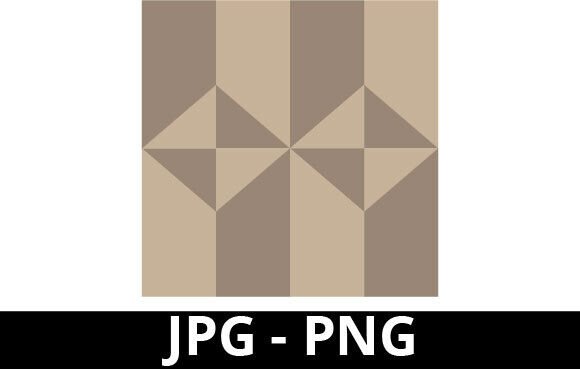
This style is particularly effective because it bridges the gap between modern pattern trends and timeless elegance. A triangle pattern rendered in shades of chocolate, taupe, and cream creates depth and movement while maintaining a minimalist design ethos. The result is a seamless pattern that feels intentional and curated, suitable for both interior design applications and graphic design projects.
Solving Common Design Challenges
Many individuals struggle with creating environments or visuals that feel cohesive. A common challenge is avoiding the "coldness" often associated with modern minimalism. Pure white walls or stark digital interfaces can feel sterile. Here, Geometric Brown Abstract Pattern Design serves as a practical solution. By introducing warmth through a brown background or beige background, you instantly make a space or image feel more inviting and human-centric.
Another frequent issue is visual clutter. When trying to add interest to a room or a website, people often overdecorate. A well-executed abstract background using geometric repeats provides texture and intrigue without adding noise. The symmetrical pattern or repeating pattern structure guides the eye naturally, creating a sense of order and calm. This is especially useful in small spaces where busy patterns might feel cramped; the monochromatic nature of brown and beige keeps the visual weight light.
Practical Applications in Interior and Digital Design
The versatility of Geometric Brown Abstract Pattern Design allows it to be applied across various mediums. Below are key areas where this aesthetic delivers significant value:
- Wall Decor and Wallpaper: Using a geometric wallpaper with a diamond pattern or subtle triangle pattern can accentuate architectural features. A 3d effect pattern using gradient shading in brown tones can make a flat wall appear to have depth, acting as a sophisticated focal point in a living room or office.
- Textile and Surface Design: For upholstery, curtains, or rugs, a textile design featuring a minimal pattern ensures longevity in style. Neutral tones are less likely to clash with changing furniture trends, making them a safe yet stylish investment. The geometric texture adds tactile interest, enhancing the sensory experience of the fabric.
- Digital Backgrounds and Branding: In web design and marketing materials, a digital pattern based on abstract art principles can serve as an unobtrusive background for text. A clean design with a neutral background ensures readability while still conveying brand sophistication. This is ideal for luxury brands, wellness apps, or professional portfolios.
- Architectural Elements: Beyond decoration, these patterns can inspire architectural pattern work in tiling, flooring, or ceiling details. A retro pattern inspired by mid-century modernism, updated with contemporary vector pattern precision, can add character to new builds or renovations.
Implementation Strategies for Different Users
Approaching Geometric Brown Abstract Pattern Design requires different considerations depending on your role and goals.
For Homeowners and DIY Enthusiasts
If you are looking to update your home, start small. Consider incorporating a decorative pattern through throw pillows, area rugs, or framed geometric art. If you are bold enough to paint or wallpaper, choose a simple pattern with large-scale shapes to avoid visual fatigue. Look for vintage pattern inspirations that use earth tones to create a cozy, nostalgic atmosphere. Ensure the lighting in the room complements the gradient pattern; warm lighting enhances the richness of brown hues, while cool lighting may mute them.
For Graphic and Web Designers
When creating a custom pattern for digital use, focus on scalability. A vector pattern is essential for ensuring crisp lines at any size. Use optical illusion techniques sparingly; while a subtle 3d effect pattern can be engaging, it should not distract from the primary content. Maintain high contrast between the text and the abstract texture background to ensure accessibility. Tools that allow for precise adjustment of opacity and blending modes can help integrate the geometric repeat seamlessly with other design elements.
For Interior Design Professionals
Professionals can leverage Geometric Brown Abstract Pattern Design to define zones within open-plan spaces. A change in surface design—such as shifting from a solid beige wall to a contemporary design with a geometric background—can subtly delineate a dining area from a living area. Mix textures by pairing smooth, printed wallpapers with rougher, natural materials like wood or linen. This contrast highlights the minimalist pattern and adds layers of sophistication. Always consider the flow of the space; a monochromatic pattern can unify disparate elements, creating a cohesive narrative throughout the project.
Key Considerations for Success
To maximize the impact of your design, keep the following tips in mind:
- Balance Scale and Proportion: Large geometric shapes work best in spacious rooms or on large digital banners, while smaller, intricate patterns suit accessories or mobile screens.
- Mind the Shade Variations: Brown is not a single color. Experiment with mixing reddish-browns, cool taupes, and creamy beiges to create a dynamic abstract texture that avoids looking flat.
- Prioritize Seamless Repetition: Whether for wallpaper or web backgrounds, ensure the repeat pattern is truly seamless. Visible breaks in the pattern can disrupt the visual flow and diminish the professional quality of the design.
- Context Matters: A retro pattern might feel out of place in a ultra-modern tech office, just as a stark modern geometric design might clash with a rustic farmhouse. Align the style of the geometry with the overall aesthetic theme.
Conclusion
Geometric Brown Abstract Pattern Design offers a refined pathway to achieving balance, warmth, and modernity in both physical and digital spaces. By leveraging the structural beauty of geometric shapes and the calming presence of neutral colors, you can create designs that are not only visually appealing but also emotionally resonant. Whether you are aiming for a minimal background for a website or a statement geometric wallpaper for your home, this design philosophy provides the flexibility and elegance needed to meet diverse aesthetic goals. Embrace the simplicity and depth of brown and beige geometries to elevate your next creative project.