3D Roller Skates: Bridging Retro Nostalgia with Modern Digital Fabrication
In the rapidly evolving landscape of digital manufacturing, few objects capture the intersection of whimsy and technical precision quite like 3D roller skates. These are not merely toys or static figurines; they represent a unique convergence of retro cultural appreciation and contemporary additive manufacturing capabilities. For hobbyists, interior designers, and 3D printing enthusiasts, the appeal lies in the ability to physicalize nostalgia. The concept revolves around taking the iconic silhouette of quad skates—symbols of disco eras, boardwalk summers, and carefree youth—and reimagining them through the lens of modern design software.
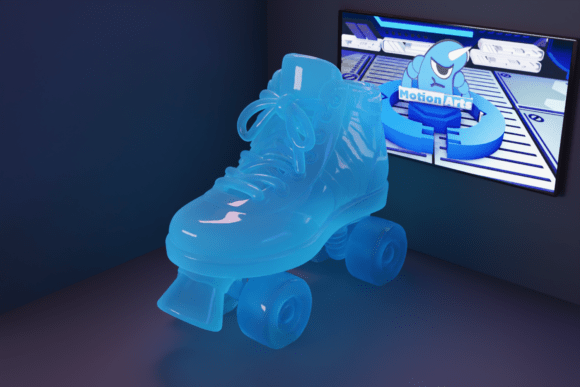
The specific model often discussed in community forums features a cartoon-style aesthetic, characterized by soft lines and balanced proportions. This stylization is not accidental. It serves a dual purpose: it enhances the visual appeal for decorative purposes and significantly simplifies the printing process by reducing overhangs and complex geometries that often plague realistic models. When you explore the realm of 3D roller skates, you are engaging with a piece of art that conveys movement, joy, and a tangible sense of history, all while utilizing cutting-edge technology.
The Allure of Stylized Design in Additive Manufacturing
Why choose a cartoon-style representation over a hyper-realistic one? The answer lies in both aesthetics and practicality. Realistic mechanical parts require intricate detailing that can be difficult to resolve on consumer-grade printers. In contrast, a stylized model of 3D roller skates focuses on form and flow. The soft edges and exaggerated proportions create a "cute" and approachable look that fits seamlessly into various decor styles, from eclectic living rooms to playful office spaces.
This design philosophy ensures that the final print is robust. The balanced proportions mean that weight is distributed evenly, reducing the risk of breakage during handling or display. For collectors, this durability is paramount. A delicate, hyper-realistic print might gather dust on a high shelf, but a sturdy, stylized skate can be handled, painted, and displayed prominently. It brings the fun energy of roller rinks straight to your 3D collection without the fragility often associated with detailed miniatures.
Technical Considerations: FDM vs. Resin Printing
One of the most significant advantages of well-designed STL files for 3D roller skates is their versatility across different printing technologies. Whether you own a fused deposition modeling (FDM) printer or a stereolithography (SLA/resin) machine, the model can be adapted to suit your hardware.
- FDM Printing: For users with filament-based printers, the optimized geometry allows for clean layers with minimal support structures. The larger surface areas of the cartoon style help bridge gaps effectively, resulting in a smooth finish even at lower resolutions. It is an excellent project for beginners looking to practice bed adhesion and layer consistency.
- Resin Printing: For those seeking higher fidelity, resin printers can capture the subtle curves and soft lines with exceptional clarity. The lack of fine, fragile protrusions in the stylized design means fewer failed prints due to suction forces or support removal issues. The result is a glossy, museum-quality piece ready for priming and painting.
Understanding these technical nuances helps users set realistic expectations. While resin offers superior detail, FDM provides cost-effectiveness and speed. The choice depends largely on the intended use of the final object. Is it a large centerpiece for a shop window? FDM might be more economical. Is it a small, detailed gift for a collector? Resin could be the preferred route.
Creative Customization and Post-Processing
The true magic of 3D roller skates emerges after the print is complete. The blank canvas provided by the raw print invites creativity. Because the model is designed with customization in mind, it becomes a collaborative effort between the digital designer and the physical creator. Painting allows you to infuse personality into the object. You might choose pastel hues to evoke a 1950s diner vibe, or neon brights to channel the electric energy of the 1980s.
- Preparation: Start by sanding any layer lines or support marks. A smooth surface ensures that paint adheres evenly and looks professional.
- Priming: Apply a high-quality primer suitable for your material (PLA, ABS, or resin). This step is crucial for achieving vibrant colors and preventing peeling.
- Base Coating: Choose your primary colors. Consider using acrylics for their ease of use and wide color range. Paint the boot, the plate, and the wheels separately to maintain clean lines.
- Detailing: Use fine brushes to add laces, logos, or wear-and-tear effects. Weathering techniques can add a sense of history, making the skates look well-loved rather than brand new.
- Sealing: Finish with a clear coat to protect your work. A matte finish can give a vintage look, while a gloss coat enhances the plastic, toy-like aesthetic.
This process transforms a generic digital file into a unique artifact. No two painted pairs need to look alike. This level of personalization is something mass-produced items cannot offer, making 3D roller skates a favorite among crafters who value individuality.
Applications Beyond Decoration
While decoration is the primary use case, the utility of these models extends further. Educators can use them to teach principles of design, balance, and color theory. The simple geometry makes them accessible for students learning about 3D modeling basics. By analyzing the proportions of the 3D roller skates, learners can understand how stylization affects perception and structural integrity.
For business owners, particularly those in niche markets like retro-themed cafes, dance studios, or vintage clothing stores, these prints serve as excellent branding tools. They can be used as props for photography, window displays, or even as unique awards for community events. The nostalgic charm resonates with a broad demographic, creating an emotional connection with customers who remember the golden age of roller skating.
Furthermore, these models can serve as prototypes for product designers. Before investing in expensive injection molding for a new toy line, designers can iterate on the shape and scale using 3D printed versions. The feedback gathered from physical models is invaluable in refining the final product.
Evaluating Suitability for Your Project
Before downloading and printing, consider your specific needs. If you are looking for a functional part that bears weight, this stylized model may not be suitable. It is designed for visual appeal, not mechanical stress. However, if your goal is aesthetic enhancement, educational demonstration, or creative expression, it is an ideal candidate.
Consider the size of your print bed. Most STL files are scalable, but printing too small may lose the charm of the soft lines, while printing too large may expose layer imperfections. A medium size, roughly the scale of a real skate or slightly smaller, often yields the best balance of detail and print reliability.
Also, think about the environment where the 3D roller skates will be displayed. Direct sunlight can degrade certain filaments over time, causing warping or fading. If the item is for outdoor use or a sunny windowsill, consider using UV-resistant materials or applying a protective UV-blocking clear coat.
Conclusion: Rolling Back in Time
The phenomenon of 3D roller skates illustrates how technology can preserve and reinterpret cultural icons. It is not just about producing a plastic object; it is about capturing a feeling. The nostalgia, style, and fun on wheels are encoded in the digital file, waiting to be unlocked by your printer. Whether you are a seasoned maker or a curious beginner, this project offers a rewarding experience. It connects the tactile satisfaction of crafting with the emotional resonance of retro culture.
By choosing to print and customize these models, you participate in a broader movement of decentralized manufacturing. You are no longer just a consumer; you are a creator. You decide the colors, the finish, and the context. In a world of mass production, there is profound value in holding an object that you brought into existence, one that tells a story of both the past and the future. So, download the file, prepare your printer, and roll back in time with a piece of history reimagined for the digital age.