Cartoon Boot House in 3D: A Whimsical Design Asset
In the vast landscape of digital design and physical fabrication, finding assets that bridge the gap between nostalgia and modern craftsmanship is a rare delight. The Cartoon Boot House in 3D is not merely a model; it is a narrative device rendered in polygon form. For designers, hobbyists, and small business owners looking to inject personality into their projects, this STL model offers a unique blend of architectural whimsy and functional design. It represents a shift away from sterile, minimalist aesthetics toward something warmer, more tactile, and deeply rooted in the visual language of children’s literature and fantasy storytelling.
The Visual Language of Whimsy and Comfort
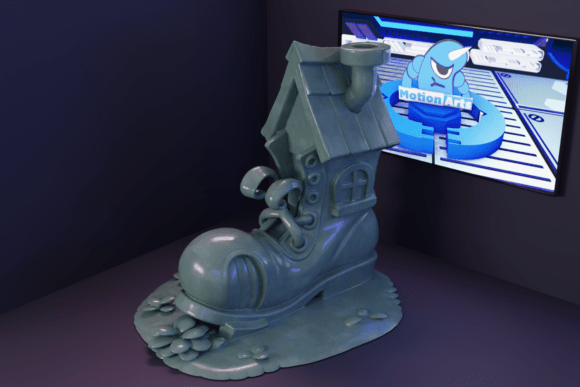
When we analyze the appeal of the Cartoon Boot House in 3D, we are looking at a masterclass in stylized design. The concept draws directly from classic nursery rhymes and fairy tales, where objects take on anthropomorphic qualities or serve as unexpected dwellings. Visually, the model integrates traditional architectural elements—windows, doors, and a pitched roof—seamlessly into the silhouette of a large, sturdy boot. This integration is crucial. It avoids the awkwardness of simply sticking a house on top of a shoe; instead, the boot is the structure.
The cartoon style ensures that the proportions are exaggerated for charm rather than realism. Thick walls, rounded edges, and playful details create an inviting atmosphere. For a brand identity focused on family, education, or creative play, this visual language communicates safety and imagination instantly. The texture potential is immense. Whether printed in matte PLA for a soft, toy-like finish or in resin for high-fidelity detail, the surface area provides ample opportunity for painting and customization. This makes it an ideal candidate for collectors who enjoy the process of finishing as much as the assembly.
Beyond the Printer: Strategic Applications for Creators
While often categorized under hobbyist 3D printing, the utility of this model extends far beyond a desk ornament. For entrepreneurs and marketers, physical props are powerful tools for content creation. Consider the impact of using a painted Cartoon Boot House in 3D as a centerpiece in product photography for a children’s book launch, a boutique toy line, or even a cozy café menu. It adds depth and context that digital backgrounds often lack.
- Educational Dioramas: Teachers and educational content creators can use the model to build immersive scenes for storytelling, helping young learners engage with narrative structures.
- Retail Displays: Small business owners in the gift or decor sector can use these models as unique shelf talkers or window display elements that draw the eye and invite interaction.
- Tabletop Gaming Terrain: For the growing market of tabletop role-playing games, this model serves as excellent terrain for fantasy campaigns, offering players a tangible connection to the game world.
- Social Media Content: Time-lapse videos of the printing and painting process perform exceptionally well on platforms like Instagram and TikTok, providing engaging behind-the-scenes content for makers and artists.
The versatility of the file format is another significant advantage. Optimized for both FDM (Fused Deposition Modeling) and resin printers, it accommodates different levels of detail and budget. FDM prints offer a charming, layered aesthetic that suits larger decorative pieces, while resin prints capture the fine details of the windows and roof tiles, making them suitable for smaller, intricate dioramas.
Design Principles: Readability, Hierarchy, and Perception
Although we often discuss typography when mentioning terms like display font or sans serif font, the principles of visual hierarchy apply equally to 3D assets. The Cartoon Boot House in 3D functions as a "display object." Just as a bold headline grabs attention in editorial design, this model serves as a focal point in a physical space. Its distinct silhouette ensures it stands out against cluttered backgrounds, guiding the viewer’s eye immediately.
In branding, consistency is key. If your brand voice is playful, approachable, and imaginative, your physical assets must reflect that. Using a sterile, industrial-looking prop would create cognitive dissonance. Conversely, the warm, handcrafted feel of this boot house reinforces brand values of coziness and creativity. It acts as a non-verbal communicator, signaling to your audience that your brand does not take itself too seriously and values joy.
Furthermore, the model supports audience engagement through interactivity. Unlike a static image, a 3D printed object invites touch and inspection. This tactile experience can significantly enhance customer perception of quality and care. When customers see the effort put into customizing a prop—highlighting the laces, weathering the sole, or glowing the windows—they perceive a higher value in the associated brand or content.
Practical Guidance for Integration and Customization
Integrating the Cartoon Boot House in 3D into your workflow requires a thoughtful approach to preparation and finishing. Here are practical steps to maximize the potential of this asset:
- Evaluate Project Fit: Before downloading, consider the scale. Will this be a miniature for a dollhouse or a centerpiece for a retail counter? Check the dimensions provided in the STL file and adjust your slicer settings accordingly.
- Test Font Pairings and Color Palettes: Just as you would pair a script font with a clean serif font for balance, pair the colors of your boot house with its environment. Earthy tones work well for a rustic fantasy look, while bright primaries suit a modern, playful aesthetic.
- Optimize for Printing: Use support structures wisely. Overhangs like the roof eaves and the toe of the boot may require supports. However, excessive supports can mar the surface. Experiment with orientation to minimize post-processing time.
- Commercial Licensing Review: Always verify the license terms. Many STL creators offer personal use licenses by default, with commercial licenses available for purchase. If you plan to sell printed copies or use the model in client work, ensure you have the appropriate rights.
- Readability of Details: If painting, use thin layers of acrylic paint to avoid clogging fine details like window frames. A wash technique can help accentuate the recessed areas, adding depth and making the "cartoon" lines pop.
For those involved in packaging design or web design, this model can also serve as inspiration for digital assets. The shapes and colors used in the physical model can inform the UI elements of a website or the structural design of a product box, creating a cohesive omnichannel experience.
Final Thoughts on Creative Utility
The Cartoon Boot House in 3D is more than a novelty; it is a versatile tool for storytellers and designers. It embodies the charm of children's stories while meeting the technical requirements of modern fabrication. By understanding its visual strengths and applying strategic design principles, you can transform a simple STL file into a powerful element of your creative toolkit. Whether you are building a brand, creating content, or simply decorating your space, this model invites you to bring a touch of magic into the real world.