Elevating Brand Identity Through Premium 3D Packaging Design
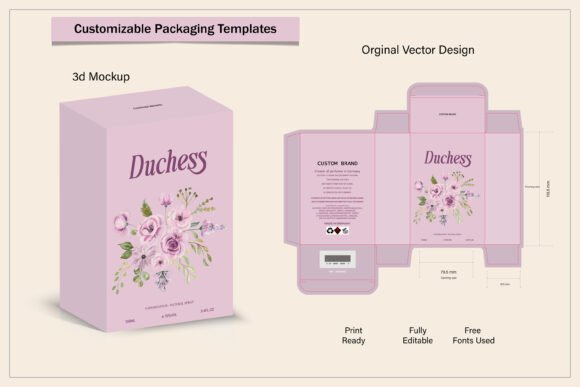
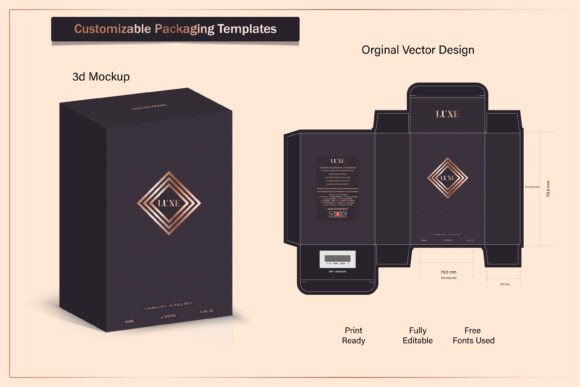
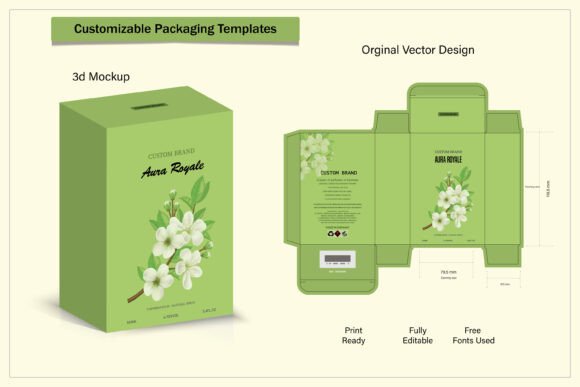
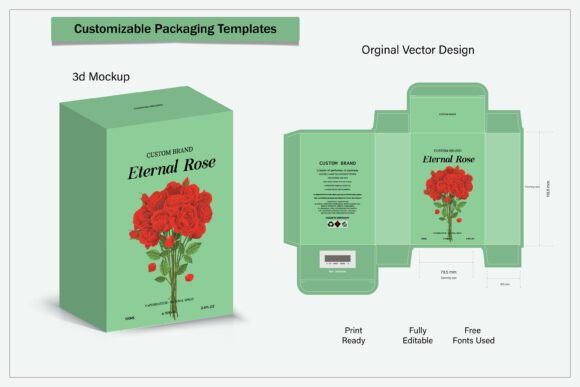
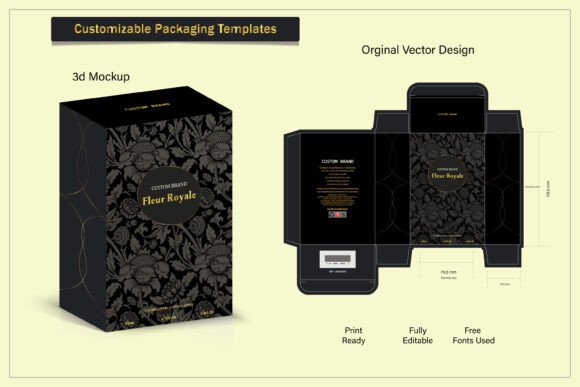
In the competitive landscape of modern retail, the first interaction a customer has with your brand is rarely digital—it is tactile. The unboxing experience has evolved from a mere logistical necessity into a critical marketing touchpoint. Whether you are launching a new fragrance line or refreshing an existing cosmetic range, the structural integrity and visual appeal of your container matter immensely. This is where professional Box Design for Any Cosmetic Product becomes not just an aesthetic choice, but a strategic business asset. By leveraging high-quality 3D packaging box design vectors and elegant die-cut templates, brands can create immersive experiences that resonate with luxury and sustainability.
The Intersection of Luxury and Functionality
Luxury packaging is often misunderstood as simply adding gold foil or heavy cardstock. True luxury lies in the harmony between form and function. A luxury packaging box must protect its contents while simultaneously telling a story. For industries ranging from high-end perfumery to bespoke skincare, the packaging serves as a silent salesman. When you utilize a 3D Illustration or a vector-based template, you are ensuring that every fold, crease, and panel aligns perfectly with your brand’s narrative.
Consider the intricate requirements of a Fragrance Perfume luxury box. These containers must withstand the weight of glass bottles, resist moisture, and provide a sense of anticipation upon opening. Using advanced Product packaging design tools, designers can simulate these physical properties digitally before a single sheet of paper is cut. This reduces waste and ensures that the final corrugated packaging design or rigid box structure is both durable and visually stunning.
Why Vector Design Matters for Scalability
One of the most significant advantages of using 100 original vector Design artwork is scalability. Unlike raster images, which pixelate when enlarged, vector graphics are based on mathematical paths. This means you can resize them to fit any product box dimensions without the loss of quality. Whether you are designing a miniature sample size or a large gift set, the crispness of lines and clarity of text remain intact.
This flexibility is crucial for Custom packaging box design. Brands often need to adapt their packaging for different markets, seasonal promotions, or limited-edition releases. With editable AI files, you can quickly modify colors, logos, and design elements. You can create a design and place it above in a separate layer, allowing for non-destructive editing. This workflow supports innovative packaging design by enabling rapid prototyping and iteration.
Sustainability Meets Sophistication
Modern consumers are increasingly conscious of environmental impact. Eco-friendly packaging design is no longer a niche trend; it is a standard expectation. However, sustainable does not mean compromising on aesthetics. Sustainable packaging solutions can be just as luxurious as traditional methods when executed correctly. By choosing recycled materials and optimizing die-lines to minimize waste, brands can demonstrate their commitment to the planet without sacrificing elegance.
A well-designed die line is the backbone of efficient production. It ensures that material usage is optimized, reducing scrap during the cutting process. When you invest in professional retail packaging design, you are also investing in operational efficiency. The right template allows manufacturers to produce boxes with minimal error, lowering costs and environmental footprint simultaneously.
- Material Efficiency: Optimized die-cuts reduce paper waste.
- Recyclable Components: Use of mono-materials simplifies recycling for consumers.
- Durable Structures: High-quality corrugated designs protect products, reducing returns and damage.
The Role of 3D Mockups in Client Presentation
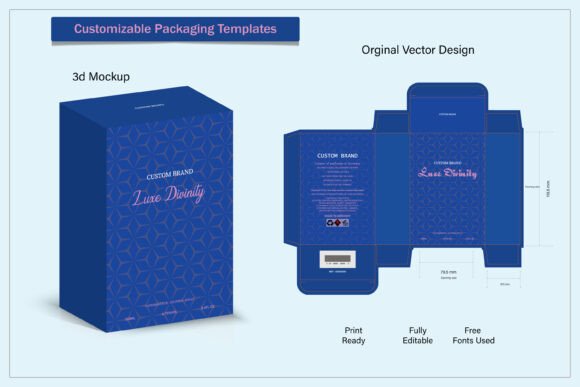
Before committing to mass production, visualizing the final product is essential. This is where 3D Packaging Box Design shines. A realistic 3D mockup allows stakeholders to see how light interacts with textures, how shadows fall on embossed areas, and how the overall composition looks on a shelf. It bridges the gap between abstract concepts and tangible reality.
When you receive a digital package containing 2 AI Files and 2 JPG Files, you are getting more than just images. You are receiving a toolkit for visualization. The JPGs serve as high-resolution previews for quick sharing, while the AI files provide the deep customization needed for final production. Please note this is a mockup file. You will receive an editable version to customize, ensuring that the design reflects your unique brand identity rather than a generic template.
Design Elements That Capture Attention
Effective creative packaging ideas often rely on subtle details. Frames, borders, and intricate patterns can elevate a simple box into a work of art. In the context of Box Design for Any Cosmetic Product, these elements help differentiate your product in a crowded marketplace. For instance, a minimalist frame around the logo can convey sophistication, while bold, geometric patterns might appeal to a younger demographic.
The use of Design elements such as spot UV, embossing, or foil stamping can be simulated in 3D designs to give clients a realistic preview. These finishes add tactile depth and visual interest, encouraging customers to pick up the product. When designing for All Industries, it is important to understand that what works for a tech gadget may not work for a perfume. The design language must align with the product’s perceived value and target audience.
Practical Workflow for Designers and Brands
Integrating these resources into your workflow is straightforward. After purchasing, you will receive a zip file. You can use free software like WinRAR or WinZip to unzip the file. Inside, you will find the necessary assets to begin your project immediately.
- Unzip the File: Extract the contents to your working directory.
- Open the AI File: Launch Adobe Illustrator or compatible vector software.
- Customize Layers: Edit the top layers to insert your logo, text, and brand colors.
- Adjust Die Lines: Ensure the die-line layer remains locked or separate to maintain structural integrity.
- Export for Review: Save a JPG for client approval and the final AI/PDF for printing.
This process supports bespoke packaging box creation, allowing for high levels of personalization. Whether you are a freelance designer working with multiple clients or an in-house team managing a large catalog, having access to high-quality, editable templates saves time and resources.
Adapting to Packaging Design Trends
The world of packaging design trends is dynamic. What is popular today may be obsolete tomorrow. However, certain principles remain constant: clarity, quality, and connection. By using versatile Vector design Template resources, brands can stay agile. They can quickly adapt to new trends, such as maximalist typography or muted earth tones, without starting from scratch.
Furthermore, the ability to create a Box Design for Any Cosmetic Product means that these templates are not limited to one industry. From skincare serums to makeup palettes, the underlying structure can be adapted to various shapes and sizes. This versatility makes them an invaluable resource for agencies and brands looking to streamline their design processes.
In conclusion, investing in high-quality 3D Illustration and vector-based packaging designs is an investment in your brand’s future. It allows for greater creativity, faster turnaround times, and a more sustainable approach to production. By understanding the technical aspects of die-cut Product Packaging Design and leveraging the power of editable digital assets, you can create packaging that not only protects your product but also enhances its value in the eyes of the consumer.
Remember, PLEASE NOTE This is a DIGITAL CUT FILE. No physical items will be mailed to you. This distinction is crucial for setting expectations. You are acquiring the intellectual property and the tools to create physical objects, not the objects themselves. This digital-first approach empowers you to iterate, refine, and perfect your design before committing to the costs of physical prototyping and mass production.