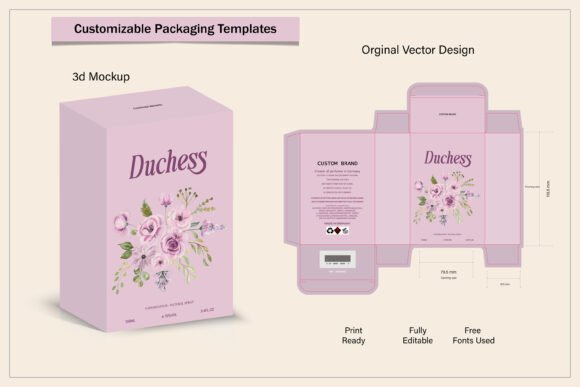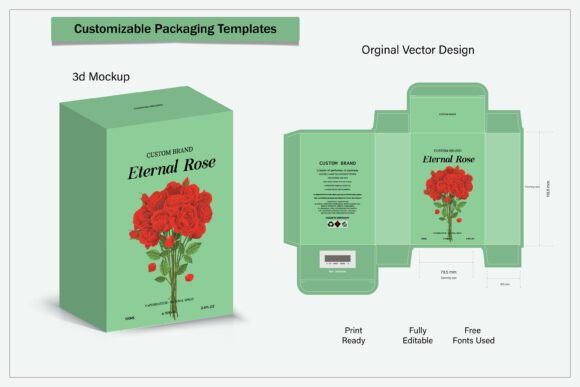
Mastering Product Box Die Cut with 3d Mock Up for Premium Packaging Success
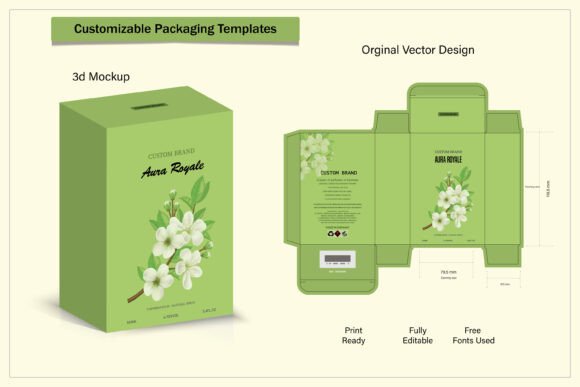
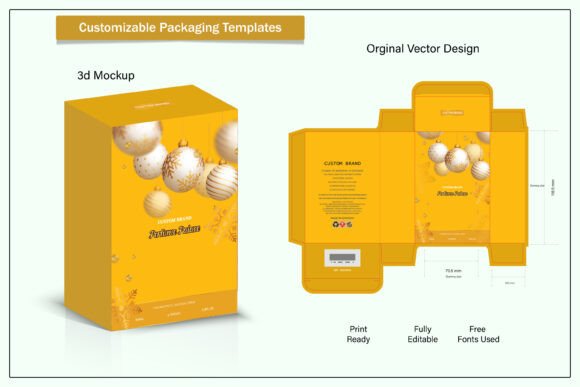
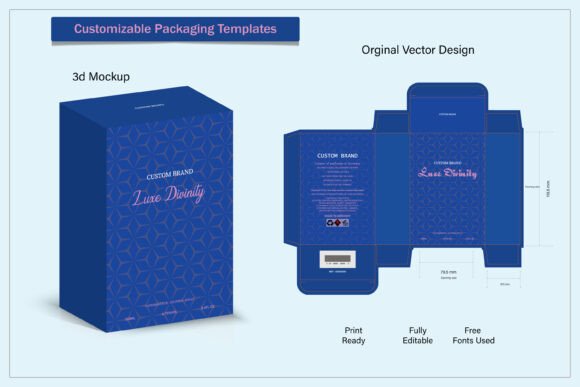
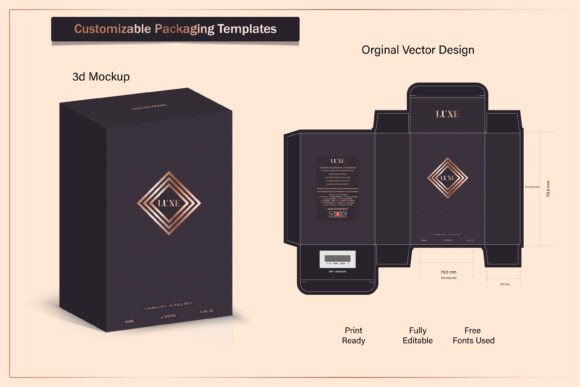
In the competitive landscape of modern retail, the first interaction a customer has with your brand is often tactile and visual. This makes Product Box Die Cut with 3d Mock Up an indispensable tool for designers, marketers, and business owners aiming to create high-impact packaging. Whether you are launching a new fragrance line, upgrading your cosmetic branding, or seeking sustainable solutions for consumer goods, the ability to visualize and engineer precise packaging before production is critical. This guide explores how leveraging advanced vector designs and 3D illustrations can transform your packaging strategy from a simple container into a powerful marketing asset.
The Critical Role of Precision in Luxury Packaging
Packaging is no longer just about protection; it is an extension of your brand identity. For industries such as perfume and luxury cosmetics, the unboxing experience is part of the product itself. A luxury packaging box must convey elegance, quality, and attention to detail. However, achieving this level of sophistication requires more than just beautiful graphics. It demands structural integrity and precise engineering.
This is where the concept of a die-cut template becomes vital. A die line serves as the blueprint for your box, defining exactly where the material will be cut, folded, and glued. Without an accurate die line, even the most stunning design can fail during assembly, leading to wasted materials and delayed launches. By utilizing a professional Product Box Die Cut with 3d Mock Up, you ensure that every fold aligns perfectly and every panel sits flush, creating the seamless finish expected in premium markets.
Bridging the Gap Between Concept and Reality
One of the biggest challenges in packaging design is the disconnect between a flat 2D design and the final 3D object. Designers often struggle to predict how graphics will wrap around corners or how lighting will affect the perception of textures. This uncertainty can lead to costly revisions and physical prototyping cycles that eat into budgets and timelines.
Integrating a 3D mockup into your workflow solves this problem effectively. A high-quality 3D packaging box design vector allows you to visualize the final product in a realistic environment. You can see how light interacts with glossy finishes, how shadows fall on embossed elements, and how the overall structure holds together. This visual confirmation helps stakeholders make informed decisions early in the process, reducing the risk of errors during mass production. Furthermore, it enables you to present compelling visuals to clients or investors before a single physical box is manufactured.
Versatility Across Industries and Applications
While often associated with high-end fragrances, the principles of effective die-cut design apply across various sectors. Here is how different industries can benefit from customizable packaging templates:
- Fragrance and Perfume: These products require rigid, elegant structures that protect delicate glass bottles while exuding luxury. A bespoke packaging box with intricate frame designs and foil stamping areas can elevate the perceived value of the scent inside.
- Cosmetics and Skincare: Brands in this sector often prioritize eco-friendly packaging design. Using corrugated packaging design templates made from recycled materials allows companies to communicate their commitment to sustainability without sacrificing aesthetic appeal.
- Retail and Consumer Goods: For shelf-ready products, innovative packaging design can help items stand out in crowded aisles. Creative packaging ideas, such as unique window cutouts or interactive folding mechanisms, can engage customers and drive impulse purchases.
The flexibility of vector-based templates means that these designs can be adapted for any industry. Since vectors are resolution-independent, you can resize them to fit any product dimension without losing quality. This scalability is essential for brands that offer multiple product sizes or plan to expand their lines in the future.
Sustainability and Innovation in Modern Design
As consumers become more environmentally conscious, sustainable packaging solutions are no longer optional—they are expected. Designing for sustainability involves more than just choosing recyclable materials; it also involves optimizing the structure to minimize waste. Efficient die-cut patterns reduce material scrap during production, lowering both costs and environmental impact.
Modern Product Box Die Cut with 3d Mock Up tools allow designers to experiment with eco-friendly materials such as kraft paper, biodegradable plastics, and molded pulp. By simulating these materials in a 3D environment, you can assess their visual appeal and structural viability. For instance, you might discover that a minimalist design works better with unbleached cardboard, emphasizing a natural, organic brand image. This approach aligns with current packaging design trends that favor simplicity, transparency, and ecological responsibility.
Technical Advantages of Vector-Based Templates
When selecting a design resource, the format matters significantly. Vector files, such as AI (Adobe Illustrator), offer distinct advantages over raster images. Because they are based on mathematical paths rather than pixels, vectors can be scaled infinitely without any loss of quality. This ensures that your logos, text, and intricate design elements remain crisp and clear, regardless of the box size.
A typical professional package includes editable AI files and high-resolution JPG previews. The AI files contain separate layers for the die line, the artwork, and the 3D mockup elements. This layering system provides maximum flexibility. You can easily swap out colors, update typography, or replace placeholder images with your own branding. The ability to customize every aspect of the design ensures that the final output is truly unique to your brand.
Moreover, working with vector templates streamlines the handoff to manufacturers. Printers prefer clean, well-organized AI files because they reduce the likelihood of misinterpretation. Clear die lines and properly outlined fonts minimize pre-press errors, ensuring that the printed boxes match the digital proof exactly.
Implementing Your Packaging Strategy
To get the most out of your Product Box Die Cut with 3d Mock Up, follow these practical steps:
- Define Your Dimensions: Start by measuring your product accurately. Account for any additional padding or inserts needed for protection. Adjust the vector template to match these exact dimensions.
- Customize the Artwork: Use the editable layers to apply your brand colors, logos, and regulatory information. Ensure that all text is legible and compliant with industry standards.
- Visualize in 3D: Render the design using the included 3D mockup files. Check for alignment issues, color consistency, and overall aesthetic balance. Make adjustments as needed.
- Consult with Manufacturers: Share the final AI file with your printing partner. Discuss material options, finishing techniques (such as embossing or spot UV), and production timelines.
- Order a Physical Prototype: Before committing to a full run, order a small batch of physical samples. This final check ensures that the digital mockup accurately represents the tangible product.
By following this structured approach, you can leverage the power of digital design tools to create packaging that is not only visually striking but also functionally sound. Whether you are a startup looking to make a strong first impression or an established brand seeking to refresh its image, investing in high-quality die-cut templates and 3D visualization is a strategic move that pays dividends in brand perception and operational efficiency.
Remember, the goal is to create a cohesive experience that resonates with your audience. From the initial glance on the shelf to the moment of unboxing, every detail counts. With the right tools and a clear vision, you can transform your packaging into a memorable brand ambassador that drives loyalty and sales.