Mastering Custom Product Packaging Design
In the crowded landscape of modern retail, your product has mere seconds to capture attention before a potential customer scrolls past or walks away. This is where Custom Product Packaging Design transitions from a mere logistical necessity to a powerful marketing tool. It is not just about protecting what is inside; it is about communicating value, brand identity, and quality before the box is even opened. Whether you are launching a new fragrance line, shipping artisanal goods, or scaling an e-commerce brand, the visual and tactile experience of your packaging can define your market position.
The Strategic Value of Bespoke Packaging
Many entrepreneurs underestimate the psychological impact of unboxing. A well-executed luxury packaging box does more than hold a product; it creates a narrative. When a customer receives a package that feels substantial, looks elegant, and opens with intention, their perceived value of the item inside increases significantly. This is particularly crucial for high-margin items like perfume, jewelry, or premium electronics.
Investing in bespoke packaging box solutions allows you to control every aspect of the consumer journey. From the texture of the material to the precision of the die-cut lines, every detail contributes to brand recall. Unlike generic off-the-shelf boxes, custom designs ensure that your branding is front and center, turning every delivery into a mobile billboard for your business.
Elevating Fragrance and Luxury Goods
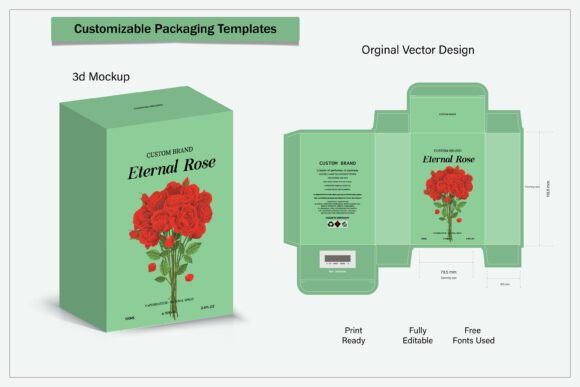
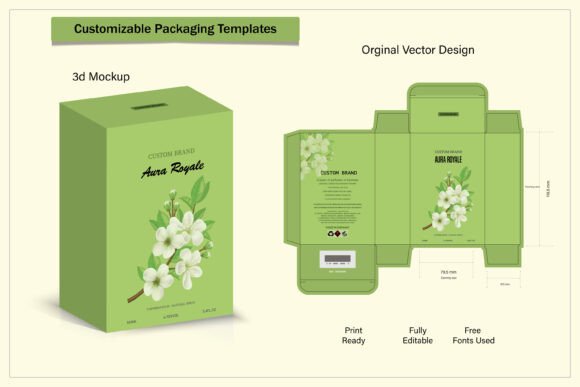
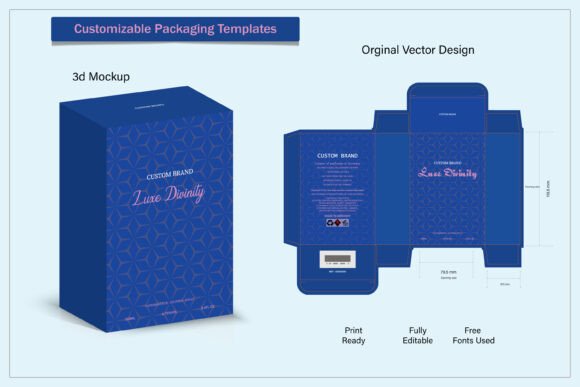
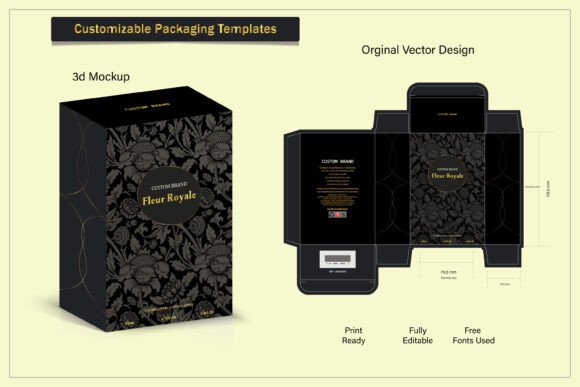
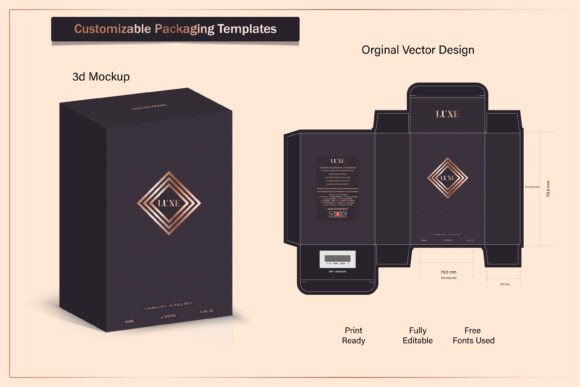
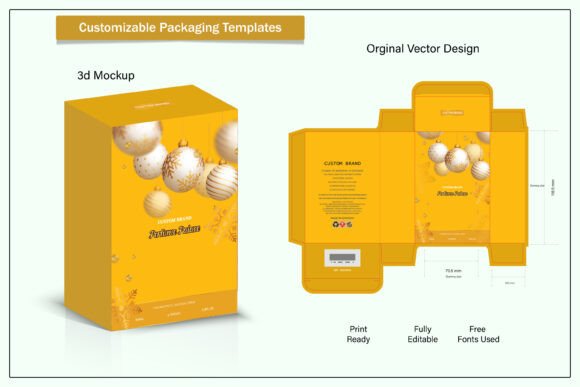
Nowhere is packaging more critical than in the fragrance industry. Since customers cannot smell the product through the screen or the sealed box, they rely entirely on visual cues. A Fragrance Perfume luxury box must convey scent notes through color, typography, and finish. Using high-quality 3D Packaging Box Design templates allows designers to visualize how light interacts with glossy finishes, embossing, or foil stamping before production begins.
For these industries, the structural integrity of the box is just as important as its aesthetics. The use of rigid materials combined with intricate die line patterns ensures that the bottle remains secure while presenting an air of exclusivity. Design elements such as magnetic closures, ribbon pulls, or window cutouts add layers of interaction that enhance the user experience. These features transform a simple transaction into a memorable event, encouraging social sharing and repeat purchases.
The Power of 3D Visualization and Vector Precision
One of the most significant advancements in modern packaging is the ability to prototype digitally. Utilizing a 3d packaging box design vector enables creators to iterate rapidly without the cost of physical sampling. Vector files are resolution-independent, meaning you can resize them to fit any product dimension without losing quality. This flexibility is essential for brands that offer multiple SKU sizes or plan to expand their product lines.
When you work with 100 original vector Design artwork, you gain the freedom to manipulate every curve and corner. You can create a design and place it above in a separate layer, allowing for easy adjustments to logos, text, or decorative frames. This level of control ensures that the final print file matches the digital mockup perfectly. The result is a seamless transition from concept to manufacturing, reducing errors and waste.
- Scalability: Vector graphics maintain crisp edges at any size, ideal for both small cosmetic boxes and large shipping containers.
- Accuracy: Precise die-lines ensure that folds and cuts align perfectly during production.
- Versatility: Files can be easily adapted for different printing techniques, such as offset, digital, or flexography.
Sustainability Meets Innovation
Today’s consumers are increasingly conscious of environmental impact. Integrating eco-friendly packaging design is no longer optional; it is a competitive advantage. Sustainable packaging solutions involve choosing materials that are recyclable, biodegradable, or made from post-consumer waste. However, sustainability does not mean compromising on luxury. Innovative uses of corrugated packaging design can create sturdy, elegant structures that minimize material usage while maximizing protection.
Brands are exploring creative ways to reduce ink coverage, using natural kraft textures as part of the design aesthetic. This approach not only lowers production costs but also appeals to the growing demographic of eco-conscious shoppers. By highlighting your commitment to sustainable packaging solutions, you build trust and loyalty with your audience. It demonstrates that your brand values extend beyond profit, resonating with customers who prioritize ethical consumption.
Practical Applications Across Industries
The utility of custom packaging extends far beyond luxury goods. In the food and beverage sector, retail packaging design must balance shelf appeal with freshness preservation. For subscription boxes, the unboxing experience is the core product, requiring durable yet exciting designs that keep subscribers engaged month after month. Even in B2B contexts, professional packaging reinforces reliability and attention to detail.
Consider the following real-world applications:
- E-commerce Brands: Use branded mailers with custom inserts to reduce movement during transit and enhance the unboxing moment.
- Cosmetic Lines: Employ compact, lightweight boxes with high-impact graphics to stand out in crowded online marketplaces.
- Tech Accessories: Utilize minimalist, sleek designs that reflect the precision and innovation of the technology inside.
- Artisanal Products: Leverage textured papers and hand-drawn elements to convey craftsmanship and authenticity.
Navigating the Digital File Landscape
When sourcing design assets, understanding what you receive is crucial. A typical professional package includes a zip file containing multiple formats to suit various needs. You might receive AI files for editing, PDF print files for direct manufacturer submission, and JPGs for quick previews or digital marketing. It is important to note that these are DIGITAL CUT FILE assets. No physical items will be mailed to you. This distinction is vital for new designers who may confuse mockups with finished products.
These mockup files serve as a blueprint. You will receive the structural design and artistic framework, but you must customize the branding elements. Using software like Adobe Illustrator, you can open the AI files, adjust the colors to match your brand palette, and insert your logo. The layered structure allows you to toggle visibility of different components, making it easy to experiment with creative packaging ideas without starting from scratch.
Key Considerations for Implementation
To get the most out of your Custom Product Packaging Design, keep these practical tips in mind:
First, always verify the die-line dimensions against your actual product. Even a millimeter of error can result in a box that is too tight or too loose. Second, consider the printing method early in the design process. Certain effects, like spot UV or embossing, require specific file setups and may increase production costs. Third, think about the assembly process. Complex folds may look impressive but can slow down your fulfillment team. Simplicity often leads to better efficiency and fewer errors.
Finally, stay updated on packaging design trends. While timeless elegance is valuable, incorporating contemporary elements can keep your brand feeling fresh and relevant. Whether it is through bold typography, unconventional shapes, or interactive QR codes, staying innovative ensures your packaging continues to engage customers in an evolving market.
By leveraging high-quality vector templates and focusing on both aesthetics and functionality, you can create packaging that not only protects your product but also elevates your brand. The right design acts as a silent salesman, working around the clock to attract, inform, and delight your customers.