Evaluating the Daisy Flower 3D Layered Laser Cut File for Modern Crafters
In the evolving landscape of digital fabrication, the distinction between a simple cutout and a sophisticated dimensional piece often lies in the quality of the source file. For makers utilizing laser cutters or CNC machines, finding assets that are not only aesthetically pleasing but also technically sound is a persistent challenge. The Daisy Flower 3D Layered Laser Cut File emerges as a notable resource in this space, offering a structured approach to creating floral decor that transcends flat, two-dimensional designs. This article examines the practical utility, technical specifications, and real-world application of this specific digital asset, providing an objective overview for professionals and hobbyists alike.
Understanding the Design Philosophy
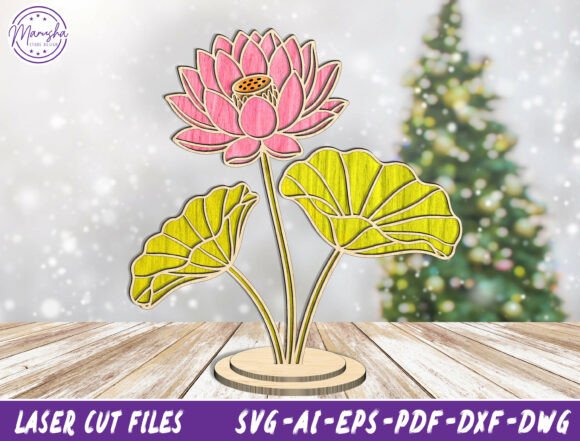
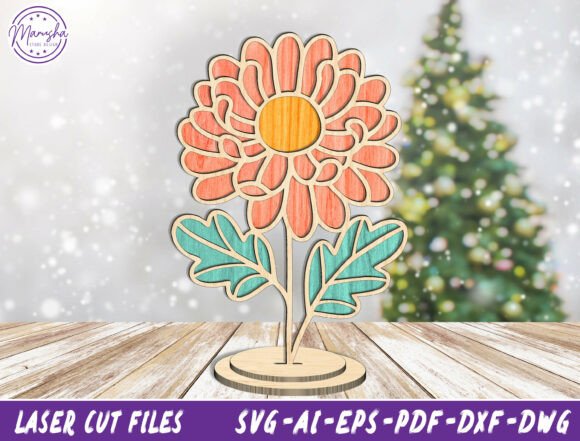
The core appeal of this file lies in its layered construction. Unlike standard vector illustrations intended for single-pass cutting, this design is engineered for depth. It breaks down the organic form of a daisy into multiple distinct strata, allowing creators to stack materials to achieve a tangible three-dimensional effect. This method mimics the natural curvature and volume of flower petals, which is difficult to replicate with a single sheet of material.
The design incorporates bright, layered petals alongside elegant leaves, capturing a cheerful charm suitable for various environments. Whether intended for spring-themed home decor, workspace accents, or handmade gifts, the aesthetic is versatile. The separation of elements ensures that each layer can be treated individually—painted, stained, or left in its natural state—before assembly. This modularity is crucial for achieving a high-quality finish, as it allows for precision in detailing that would be impossible once the pieces are glued together.
Technical Compatibility and File Formats
One of the most significant strengths of this product is its broad compatibility. In the world of laser cutting and digital crafting, file format limitations can often hinder workflow. This package addresses that by including a comprehensive suite of formats: SVG, AI, EPS, PDF, DXF, and DWG. This diversity ensures that the file integrates seamlessly into nearly any software ecosystem.
- SVG and DXF: Ideal for users of Glowforge, xTool, and other browser-based or proprietary laser software that relies on scalable vector graphics for path definition.
- AI and EPS: Essential for Adobe Illustrator users who may wish to modify the design, adjust tolerances, or integrate the flower into larger composite projects.
- PDF: Useful for quick previews or for those using software that imports PDF vectors directly.
- DWG: A critical inclusion for professionals using AutoCAD or similar engineering-focused platforms, particularly in architectural modeling or industrial design contexts.
This multi-format approach reduces friction for users switching between different machines or software updates. It demonstrates a understanding of the fragmented nature of the maker community, where no single platform dominates entirely.
Material Versatility and Application
The effectiveness of a 3D layered design is heavily dependent on the material used. This file is optimized for a range of substrates, including wood, MDF, acrylic, and cardstock. Each material offers distinct advantages and challenges when working with this specific daisy design.
Wood and MDF provide a warm, organic feel that complements the floral theme. When using these materials, the layered approach helps mitigate the visual flatness that can occur with laser-cut plywood. Staining each layer before assembly can highlight the grain and add depth. However, users must account for kerf—the width of the laser beam—to ensure tight fits between layers.
Acrylic offers a modern, sleek alternative. Transparent or translucent acrylics can create interesting light-play effects, especially if the flower is backlit. The precision of laser cutting on acrylic results in clean, polished edges that require minimal post-processing. This makes it an excellent choice for contemporary office decor or retail displays.
Cardstock is ideal for rapid prototyping or paper crafts. While less durable than wood or acrylic, it allows for quick testing of the assembly process and color combinations. It is also suitable for greeting cards or lightweight decorations where weight is a concern.
Usability and Assembly Considerations
From a usability standpoint, the file is designed to be "easy to cut, paint, and assemble," but realistic expectations are necessary. The term "easy" in laser cutting often refers to the clarity of the vector paths rather than the absence of labor. The layers are clearly defined, which minimizes the time spent sorting pieces. However, the assembly process requires patience and precision.
For best results, creators should consider the following practical steps:
- Test Cuts: Always perform test cuts on scrap material to determine the optimal power and speed settings for your specific machine. This ensures that tabs (if used) hold the pieces securely without burning through.
- Color Coding: If cutting multiple flowers or complex batches, label the layers immediately after cutting. Mixing up petal layers can disrupt the intended gradient or dimensional flow.
- Adhesive Selection: Use a fast-drying, clear adhesive to maintain the aesthetic integrity of the piece. Glue guns are common, but fine-tip applicators offer better control for small contact areas between layers.
- Finishing: Sanding edges lightly before painting can result in a smoother finish, particularly for wood and MDF. Acrylic paints adhere well to most laser-cut materials, allowing for customization beyond the natural material tone.
Target Audience and Professional Value
Who benefits most from this Flower 3D Layered Laser Cut File? The primary audience includes small business owners selling handmade goods, educators teaching design principles, and serious hobbyists looking to elevate their portfolio. For entrepreneurs, the ability to produce consistent, high-quality floral decor quickly is a significant advantage. The file’s reliability means less time troubleshooting design errors and more time focusing on production and marketing.
Educators can use this project to teach concepts of spatial reasoning, material properties, and digital manufacturing. The step-by-step nature of assembling a 3D object from 2D parts provides a tangible lesson in geometry and engineering. For bloggers and content creators, documenting the process of making this flower can generate engaging visual content for social media, showcasing both the technical skill involved and the final aesthetic appeal.
Limitations and Realistic Expectations
While the file is robust, it is not without limitations. Users must possess a basic understanding of their laser cutter’s capabilities. Intricate details in the petals may require higher-resolution machines to avoid charring or loss of detail. Additionally, the 3D effect is dependent on the thickness of the material; using material that is too thin may result in a fragile structure, while material that is too thick may make assembly cumbersome.
Furthermore, the design is specific to the daisy motif. Those seeking highly abstract or non-representational art may find the style too traditional. However, for its intended purpose—creating cheerful, nature-inspired decor—it performs exceptionally well.
Long-Term Value and Conclusion
The long-term value of this digital asset lies in its reusability and adaptability. Once mastered, the technique of layering can be applied to other designs, but having a pre-optimized file like this saves considerable initial development time. It serves as a reliable template that can be scaled, modified, or used as-is for various projects throughout the year.
In conclusion, the Daisy Flower 3D Layered Laser Cut File represents a well-executed digital product that balances aesthetic appeal with technical functionality. It is a practical tool for anyone looking to add dimensional depth to their laser-cut projects. By offering broad format compatibility and clear design logic, it supports a smooth workflow from digital file to physical object. For creators aiming to produce professional-grade floral decor with efficiency and consistency, this file is a worthwhile addition to their digital library.