Understanding the Red Centrifugal Pump on PNG Background: Industrial Design and Functionality
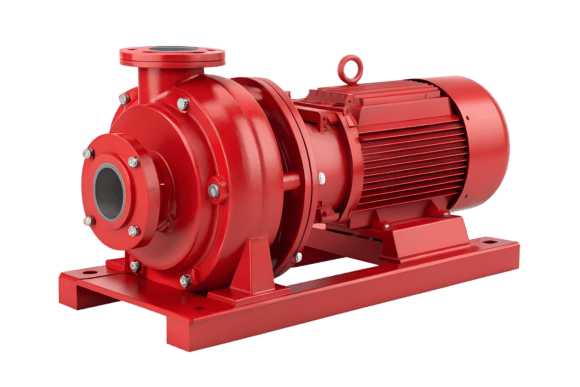
In the vast landscape of industrial machinery, few components are as ubiquitous or critical as the centrifugal pump. When visualized in digital media, such as a Red Centrifugal Pump on PNG Background, this piece of equipment transcends its mechanical roots to become a symbol of efficiency, power, and engineering precision. The vibrant red color often signifies safety, urgency, or brand identity, while the transparent background allows designers and engineers to integrate the image seamlessly into technical manuals, marketing materials, and educational resources. This article explores the intricate details of these machines, their operational principles, and their pivotal role in modern industry.
The Engineering Behind the Centrifugal Mechanism
At its core, a centrifugal pump is a mechanical device designed to move fluids by converting rotational kinetic energy into hydrodynamic energy. The process begins with an electric motor, which serves as the primary power source. This motor drives an impeller, a rotating component located inside the pump casing. As the impeller spins, it creates a centrifugal force that pushes the liquid outward from the center, increasing its velocity and pressure. This fundamental principle of hydraulics allows for the continuous flow of water, chemicals, oils, and other liquids through complex pipeline systems.
The construction of these pumps typically involves robust materials such as steel and metal alloys to withstand high pressure and corrosive environments. In a detailed 3D render or illustration, one can observe the precision engineering required to balance the impeller and ensure smooth operation. The close-up view of such machinery reveals the intricate connection between the motor shaft and the impeller, highlighting the importance of alignment and maintenance in preventing mechanical failure. For professionals in heavy industry, understanding these internal dynamics is crucial for optimizing performance and extending the lifespan of the equipment.
Visualizing Industrial Equipment: The Role of Digital Assets
The demand for high-quality visual representations of industrial equipment has grown significantly. A Red centrifugal pump on PNG background 1 PNG File offers a versatile asset for various applications. Unlike JPEGs, PNG files support transparency, allowing the isolated object to be placed over any background without unsightly white boxes or borders. This feature is particularly useful for creating composite images in manufacturing brochures, where the pump might need to be shown within the context of a larger plant or production line.
Designers and illustrators often use these isolated renders to create technical diagrams that explain fluid dynamics or system layouts. By using a red pump, the visual contrast against blue water lines or gray steel pipes becomes striking, guiding the viewer’s eye to the most critical component of the system. This attention to detail in design not only enhances aesthetic appeal but also improves comprehension for students, technicians, and clients who may not be familiar with the intricacies of plumbing and hydraulics.
Applications Across Diverse Industries
The versatility of centrifugal pumps makes them indispensable across a wide range of sectors. In the water treatment industry, they are used to move large volumes of water through filtration systems and distribution networks. The ability to handle high flow rates with consistent pressure makes them ideal for municipal water supplies and wastewater management plants. Here, the reliability of the apparatus is paramount, as any failure can lead to significant public health risks.
In the oil and gas sector, these pumps are essential for transporting crude oil and refined products through extensive pipeline networks. The metal construction must be resistant to extreme temperatures and corrosive substances, requiring advanced engineering solutions. Similarly, in the chemical manufacturing industry, centrifugal pumps handle aggressive fluids that demand specialized seals and materials to prevent leaks and ensure worker safety. The red color coding often helps in quickly identifying specific types of pumps within a complex factory setting, aiding in maintenance and emergency response protocols.
The construction industry also relies heavily on these machines for dewatering sites, mixing concrete, and supplying water for dust control. The portability and power of modern centrifugal pumps allow for efficient operations in remote or challenging environments. Whether it is a small residential project or a massive infrastructure development, the presence of reliable pumping equipment is a testament to the progress of modern engineering.
Key Characteristics and Advantages
- High Efficiency: Centrifugal pumps are known for their ability to deliver high flow rates with relatively low energy consumption, making them cost-effective for continuous operations.
- Simplicity of Design: With fewer moving parts compared to positive displacement pumps, they are easier to maintain and repair, reducing downtime in critical production processes.
- Versatility: They can handle a wide variety of fluids, from clean water to viscous slurries, depending on the impeller design and material composition.
- Smooth Flow: The continuous flow provided by centrifugal action minimizes pulsation, which is beneficial for sensitive processes and reduces wear on pipelines.
- Compact Footprint: Modern designs allow for powerful performance in a compact space, facilitating integration into tight industrial layouts.
Considerations for Selection and Maintenance
Selecting the right centrifugal pump requires a thorough understanding of the specific application requirements. Factors such as flow rate, head pressure, fluid viscosity, and temperature must be carefully evaluated. Engineers often use simulation software to model the system and predict performance under various conditions. The choice of material is also critical; stainless steel may be required for corrosive fluids, while cast iron might suffice for water applications.
Maintenance plays a vital role in ensuring the longevity of the pump. Regular inspection of seals, bearings, and impellers can prevent catastrophic failures. Monitoring vibration levels and noise can provide early warnings of misalignment or wear. In automated factory settings, sensors can track performance metrics in real-time, allowing for predictive maintenance strategies that optimize efficiency and reduce costs. The integration of smart technology into traditional machinery represents the future of industrial automation, where data-driven decisions enhance operational reliability.
The Intersection of Technology and Aesthetics
Beyond functionality, the aesthetic presentation of industrial equipment has become increasingly important. High-quality 3D renders and illustrations, such as those featuring a red centrifugal pump isolated on black, serve as powerful tools for communication. They allow stakeholders to visualize complex systems before physical implementation, facilitating better decision-making and collaboration. These digital assets bridge the gap between technical expertise and layperson understanding, making complex engineering concepts accessible to a broader audience.
Furthermore, the use of vibrant colors like red in industrial design is not merely decorative. It serves a practical purpose by highlighting critical components, enhancing visibility in low-light conditions, and adhering to safety standards. When combined with clean, professional backgrounds, these images convey a sense of quality and precision that reflects the brand values of manufacturers and suppliers.
Future Trends in Pump Technology
As industries continue to evolve, so too does the technology behind centrifugal pumps. Innovations in material science are leading to lighter, stronger, and more corrosion-resistant components. Advances in motor efficiency are reducing energy consumption, aligning with global sustainability goals. Additionally, the integration of Internet of Things (IoT) devices enables remote monitoring and control, allowing operators to manage pump stations from anywhere in the world. These developments promise to enhance the reliability, efficiency, and environmental friendliness of fluid handling systems in the years to come.
In conclusion, the red centrifugal pump is more than just a piece of machinery; it is a testament to human ingenuity and the relentless pursuit of efficiency. From its intricate mechanical design to its diverse applications across industries, it plays a crucial role in modern society. Whether viewed as a functional component in a pipeline or as a striking visual element in a digital illustration, its significance remains undeniable. Understanding its principles, advantages, and maintenance requirements empowers professionals to make informed decisions that drive productivity and innovation.