Abstract Watercolor Backgrounds for Digital Art
In the realm of digital design, few aesthetics possess the calming yet captivating power of an abstract watercolor background. This style bridges the gap between traditional artistic expression and modern graphic utility, offering a versatile canvas that feels both organic and meticulously crafted. When you combine the fluid unpredictability of water-based pigments with the precision of digital tools, you create a visual language that speaks to emotion, depth, and tranquility. Whether you are designing a website header, crafting social media content, or setting the tone for a brand identity, understanding how to leverage these soft, flowing elements can elevate your work from functional to unforgettable.
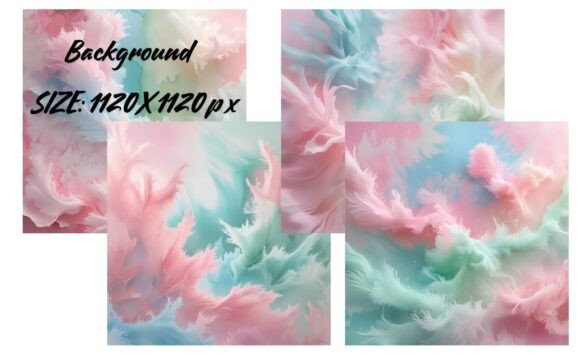
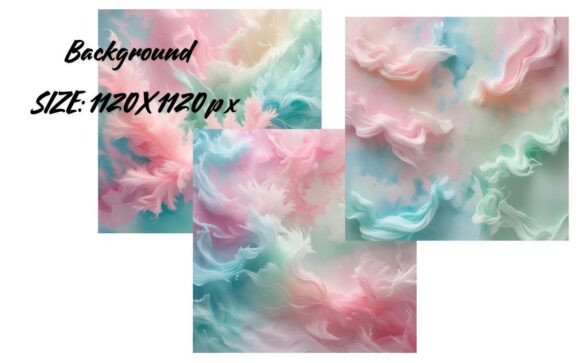
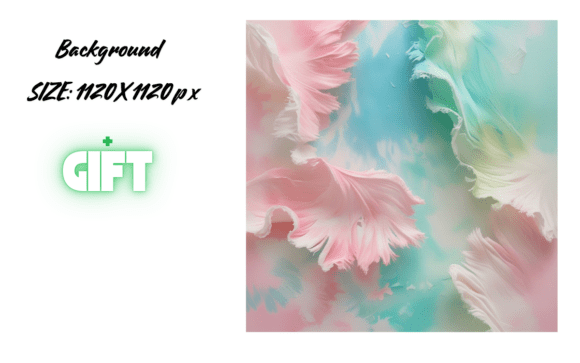
The appeal lies in the inherent contradiction of the medium: it is structured enough to guide the eye but loose enough to allow for interpretation. A vibrant wallpaper design that combines bleach effects with soft pastel colors like pale pink, sky blue, and mint green does more than just fill space; it creates an atmosphere. It invites the viewer to pause, breathe, and engage with the content on a deeper, more sensory level. This article explores how to harness this dreamy aesthetic effectively, ensuring your designs remain professional, accessible, and visually striking.
The Psychology of Soft Gradients and Pastel Hues
Color is never neutral, and in abstract design, it carries the weight of the entire composition. The use of pastel colors—specifically pale pink, sky blue, and mint green—taps into a psychological response associated with calmness, clarity, and renewal. These cool and warm tones, when balanced correctly, create a harmony that reduces visual stress. For marketers and educators, this is crucial. An audience that feels relaxed is more receptive to information and more likely to trust the source.
The "bleaching effect" often seen in high-quality watercolor textures adds a layer of sophistication. Unlike solid blocks of color, bleached areas introduce transparency and light, mimicking the way sunlight filters through fog or reflects off water. This technique creates visual depth without relying on heavy shadows or complex 3D modeling. It suggests a mystery, a hint of what lies beneath the surface, which keeps the viewer engaged. When you integrate these light gradients and transparent colors, you are not just decorating; you are curating an experience.
Furthermore, the smooth gradients and soft edges resembling watercolor patterns prevent the design from feeling rigid. In a digital world dominated by sharp pixels and hard lines, the organic flow of overlapping colors offers a refreshing contrast. It feels human-made, even when generated digitally, fostering a connection between the creator and the consumer.
Practical Applications for Creators and Businesses
Understanding the aesthetic is only half the battle; knowing where to apply it is where true value is created. An abstract watercolor background is remarkably adaptable across various industries and formats. Here is how different professionals can utilize this style to meet specific goals:
- Web Designers and Developers: Use subtle watercolor textures as hero section backgrounds. The key is opacity. By lowering the opacity of the pastel layers, you ensure that text remains legible while the background provides a dreamy, immersive context. This is particularly effective for wellness brands, creative portfolios, and lifestyle blogs.
- Social Media Managers: Create cohesive feed templates using scattered colors and soft lines. A consistent palette of mint green and sky blue can become a recognizable brand signature. Use these backgrounds for quote graphics, announcement posts, or story highlights to maintain a romantic and enchanting atmosphere.
- Educators and Presenters: Replace stark white slides with faint watercolor washes. This reduces eye strain during long presentations and helps segment information visually. Use color overlap to distinguish between different topics or chapters, creating a natural flow that guides the audience through the narrative.
- Product Packaging Designers: For items related to beauty, self-care, or artisanal goods, a watercolor-inspired design conveys quality and care. The irregular edges and bleeding colors suggest a handcrafted product, appealing to consumers looking for authenticity.
Techniques for Achieving Visual Depth and Harmony
Creating a successful abstract watercolor design requires more than just splashing color onto a canvas. To achieve that coveted "floating in a magical space" feel, you must master the interplay of layers and effects. Start with a base of light gradients. These should be barely perceptible, serving as the foundation for the more vibrant elements.
Next, introduce the core colors. Allow them to overlap naturally. In digital art, this can be achieved using blend modes such as "Multiply" or "Overlay," which mimic the physical behavior of wet paint mixing on paper. The goal is to create new, unexpected hues at the intersections, adding complexity and interest. This color harmony is essential; if the colors clash, the dreamy atmosphere is broken.
Don’t forget the importance of negative space. Just as important as the painted areas are the untouched or "bleached" sections. These areas provide breathing room for the eye and prevent the design from becoming cluttered. Think of it as the silence between notes in a melody—it gives the composition rhythm and balance.
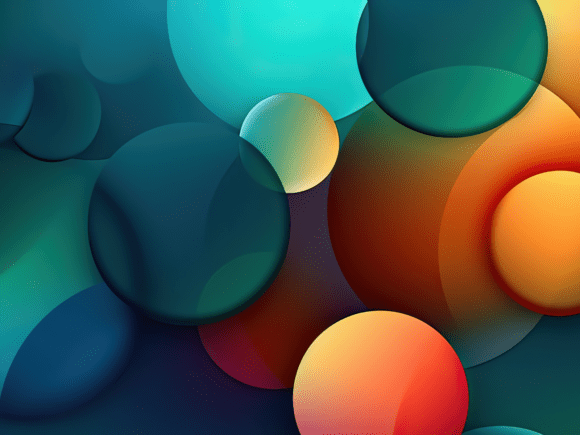
To enhance the 3D background effect without making it look artificial, add subtle drop shadows or inner glows to the colored blobs. This lifts them slightly off the page, creating a sense of layering and dimension. However, keep these effects minimal. The beauty of watercolor is its flatness and fluidity; too much depth can make it look like plastic rather than paint.
Maintaining Clarity and Professionalism
While the dreamy design is appealing, it must never compromise functionality. A common mistake is letting the artistic elements overpower the message. To avoid this, always prioritize readability. If you are placing text over a watercolor background, ensure there is sufficient contrast. You might need to add a semi-transparent white or dark overlay behind the text box to separate it from the busy patterns.
Consistency is also key. If you are building a brand, define your watercolor style early. Will it be bold and saturated, or soft and muted? Will the edges be sharp and defined, or blurred and foggy? Stick to these choices across all platforms to build a coherent visual identity. Randomly switching styles can confuse your audience and dilute your brand recognition.
Finally, consider the technical aspects. High-resolution textures are vital for print, while optimized, lightweight files are necessary for web performance. Ensure that your digital art is exported in the correct format to maintain the integrity of the smooth gradients and soft visual effects. Pixelation can ruin the illusion of fluidity, turning a sophisticated design into a amateurish one.
Embracing the Inspirational Potential
Ultimately, an abstract watercolor background is a tool for inspiration. It encourages viewers to let their minds wander, to find their own meanings in the shapes and colors. For the creator, it offers a break from the rigid grids and strict guidelines of traditional design. It allows for experimentation, for playing with flowing effects and scattered colors until something unique emerges.
Whether you are aiming for a fantasy design that transports users to another world, or a simple, clean aesthetic that soothes the senses, the principles remain the same: balance, harmony, and intentionality. By mastering these elements, you can create designs that are not only visually stunning but also emotionally resonant. Let the soft lines and transparent colors guide your next project, and watch as your work transforms into a piece of art that truly connects with its audience.