Integrating the Trippy Groovy 3D Text Effect into Modern Creative Workflows
In the fast-paced world of digital design, standing out requires more than just clean lines and minimalist aesthetics. There is a growing demand for visual assets that capture attention through movement, depth, and nostalgia. This is where the Trippy Groovy 3D Text Effect becomes an invaluable resource. It is not merely a decorative font or a static image; it is a versatile graphic design resource that bridges the gap between retro typography and modern 3D rendering techniques. For professionals ranging from marketing managers to independent album artists, understanding how to integrate this asset into a broader creative process can significantly enhance output quality and efficiency.
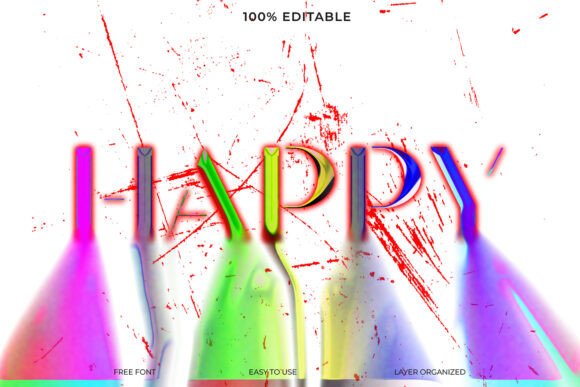
The appeal of psychedelic typography lies in its ability to evoke emotion and energy. When you combine liquid letters with a wavy design, you create a visual rhythm that guides the viewer’s eye. However, creating these effects from scratch in software like Adobe Photoshop or Illustrator can be time-consuming and technically demanding. Using a pre-built, editable font or a layered PSD template allows creators to bypass the initial technical hurdles and focus on strategic implementation. This approach supports a workflow that prioritizes consistency and speed without sacrificing the unique, funky aesthetic that defines trendy design today.
Strategic Placement in the Design Process
Understanding when to introduce the Trippy Groovy 3D Text Effect into your project is crucial for maintaining a smooth workflow. Many designers make the mistake of treating such assets as afterthoughts, tacking them on at the end of a project. Instead, consider this effect during the conceptualization phase. If you are working on a modern poster, album art, or a social media campaign, the typography should drive the layout, not just fill space.
During the planning stage, assess whether the project benefits from abstract art elements. If the goal is to convey energy, creativity, or a break from tradition, this colorful typography fits perfectly. By deciding early on to use a liquid art style, you can structure your composition around the swirl effect and 3D depth. This prevents the common issue of trying to force a complex visual effect into a rigid, grid-based layout that was designed for standard sans-serif fonts. Preparation here involves selecting the right color palette that complements the vibrant nature of the text, ensuring that the final piece feels cohesive rather than chaotic.
Technical Integration and Usability
One of the primary advantages of using a high-quality graphic design resource is its compatibility with standard industry tools. A well-constructed layered PSD file is essential for seamless integration. When you download a professional template, you should expect organized layers that separate the base text, the 3D extrusion, the lighting effects, and the background elements. This organization is critical for efficiency. It allows you to swap out the copy quickly without breaking the visual integrity of the design.
For those who are not expert 3D modelers, an editable font that mimics three-dimensional depth offers a practical alternative. These fonts often come with built-in shadows and highlights that create the illusion of volume. When using such assets, pay attention to resolution and scalability. Ensure that the resource is print-ready if your final output includes physical merchandise, posters, or packaging. Digital art intended for screens has different requirements than print-ready materials, particularly regarding color profiles (RGB vs. CMYK) and DPI settings. Verifying these technical details early prevents costly revisions later in the production cycle.
Enhancing Brand Identity and Marketing Materials
Marketers and small business owners can leverage the stylish lettering of groovy fonts to differentiate their brand voice. In a saturated market, visual distinctiveness is a key competitive advantage. This type of retro typography resonates strongly with audiences aged 20–50, tapping into a sense of nostalgia while feeling fresh and contemporary. It works exceptionally well for limited-time offers, event promotions, or product launches that aim to feel exclusive and energetic.
Consider the application of this effect in digital advertising. A static banner ad might get lost in a feed, but a design that incorporates a motion effect or implies movement through wavy lines can increase click-through rates. While the base asset might be static, the layered structure allows for easy animation in tools like After Effects or Canva. You can animate the liquid letters to flow or the colors to shift, creating a dynamic visual experience that captures attention instantly. This adaptability makes the asset a long-term investment rather than a one-off purchase.
Workflow Efficiency and Quality Control
Efficiency in creative work is not just about speed; it is about reducing friction. When you have a reliable creative resource, you reduce the cognitive load associated with technical execution. Instead of spending hours adjusting bevels and embosses to achieve a 3D look, you can focus on messaging and composition. This shift allows for more iterations and experimentation within the same timeframe. You can test different colorways, backgrounds, and layouts to see what resonates best with your target audience.
Quality control remains paramount. Even with a pre-made template, customization is necessary to avoid a generic look. Adjust the lighting angles to match other elements in your design. Tweak the saturation of the colorful typography to ensure it aligns with your brand guidelines. Check the legibility of the text; while abstract art is visually striking, the message must still be readable. If the swirl effect obscures the letters, simplify the background or increase the contrast. These small adjustments ensure that the final output is both aesthetically pleasing and functionally effective.
Long-Term Value and Versatility
Investing in a high-quality Trippy Groovy 3D Text Effect package provides long-term value because of its versatility. It is not limited to one type of project. The same asset can be repurposed for a YouTube thumbnail, a podcast cover, a website header, or a printed flyer. This cross-platform usability maximizes the return on investment. For freelancers and agencies, having a library of such assets allows for rapid prototyping and quicker turnaround times for clients.
Furthermore, staying updated with trendy design elements helps maintain relevance. As design trends cycle, the fusion of retro and modern continues to hold strength. By mastering the use of these tools now, you build a skill set that is applicable to future projects. You learn how to balance complex visual effects with clear communication, a skill that translates to any design challenge. Whether you are creating educational materials that need to engage students or corporate presentations that need to break the mold, the principles of using bold, dimensional typography remain consistent.
Practical Tips for Implementation
- Start with a strong hierarchy: Use the 3D effect for headlines or key phrases, not body text. Let the groovy font be the focal point.
- Maintain contrast: Ensure the colorful typography stands out against the background. Use solid or subtly textured backgrounds to let the liquid letters shine.
- Check licensing: Before using the asset for commercial projects, verify the license terms. Most professional resources offer clear guidelines for personal and commercial use.
- Experiment with blending modes: In Photoshop, try different blending modes for the text layers to integrate them more naturally with underlying images or gradients.
- Keep backups: Save versions of your file before making major changes to the 3D settings. This allows you to revert if the effect becomes too overwhelming.
In conclusion, the Trippy Groovy 3D Text Effect is more than a visual trend; it is a functional tool that enhances creative workflows. By understanding its technical requirements, strategic placement, and potential for customization, designers and marketers can produce high-impact visuals efficiently. It bridges the gap between artistic expression and practical application, offering a way to create memorable, engaging content that resonates with modern audiences. Whether you are designing album art or a corporate campaign, integrating this resource thoughtfully will elevate the quality and effectiveness of your work.